
What to Do When a Dental Crown Becomes Dislodged

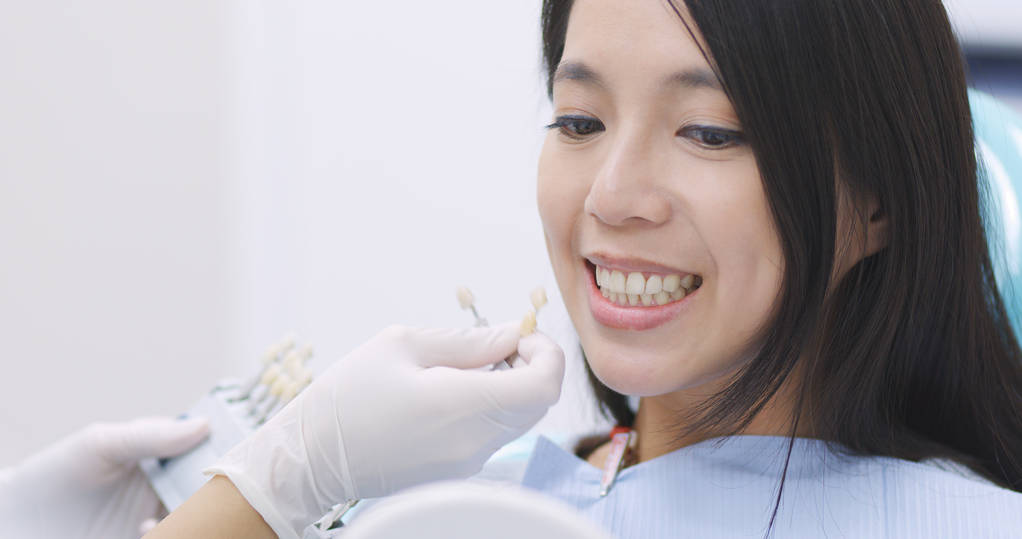
A dental crown can sometimes become loose or fall off while eating, brushing, flossing, or biting down. This can feel stressful, but it is usually not an emergency unless you have severe pain, swelling, bleeding, or trouble breathing or swallowing. The right steps can protect the tooth and help your dentist repair or replace the crown safely.
WHAT IS A DISLODGED DENTAL CROWN?
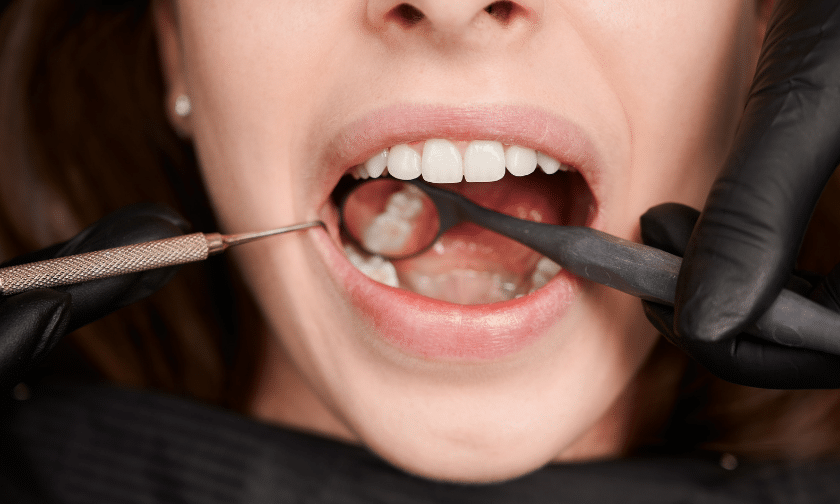
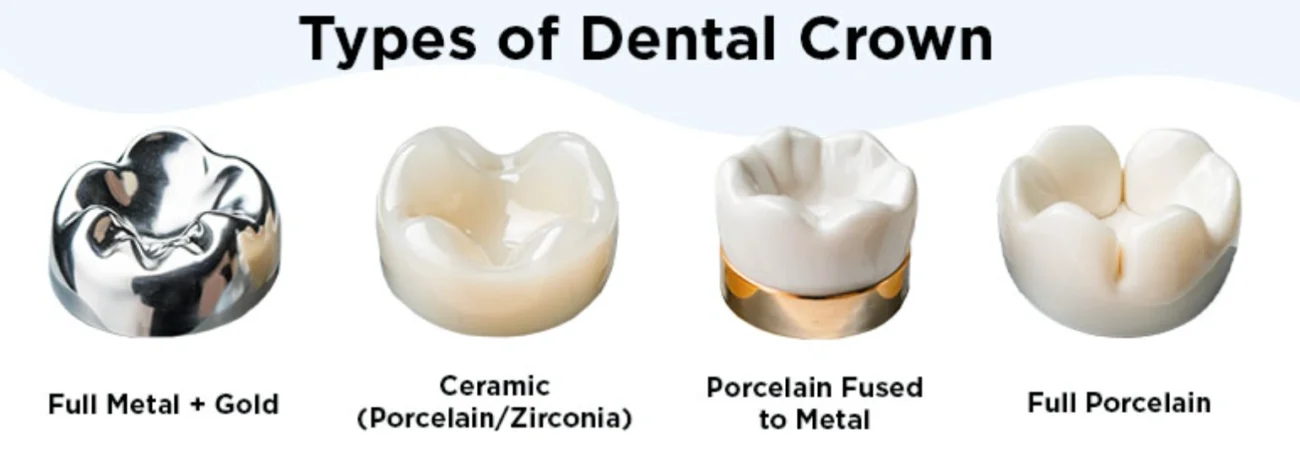
A dental crown is a tooth-shaped cap that covers and protects a damaged, weak, broken, or heavily filled tooth. Crowns can be made from porcelain, ceramic, metal, resin, or a mix of materials.
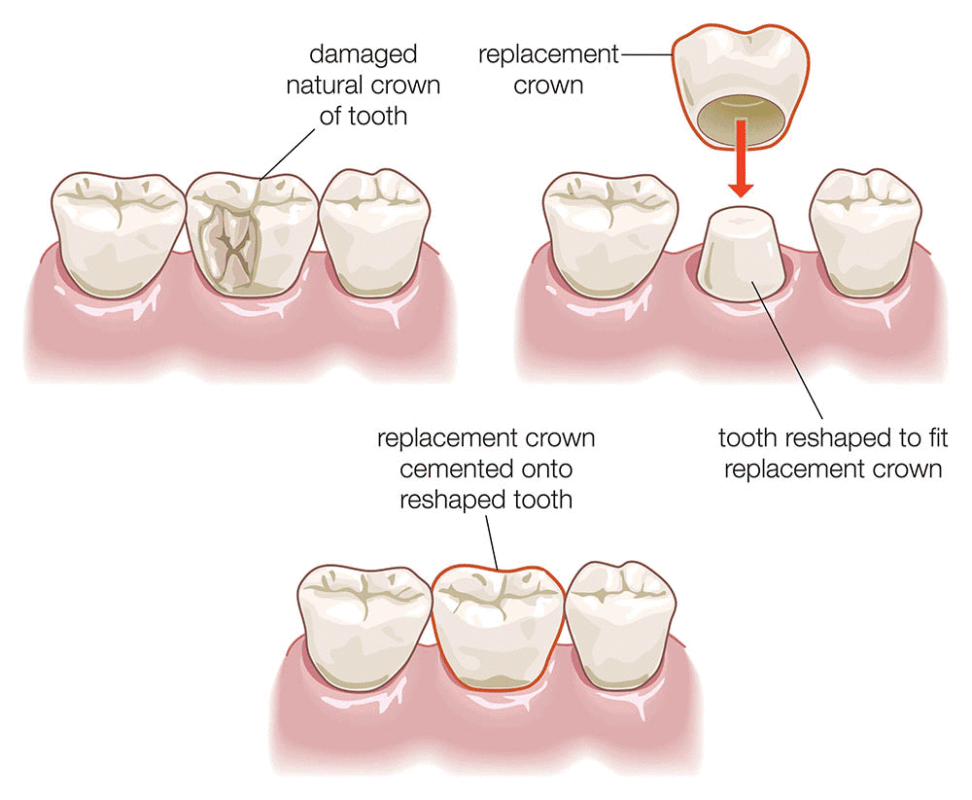
A dislodged crown means the crown has become loose, shifted, or completely come off the tooth. The natural tooth underneath may feel sensitive, rough, weak, or painful because it no longer has full protection.
A crown may dislodge from a front tooth, back tooth, implant, or tooth that has had root canal treatment. A root canal is a procedure that removes infected or inflamed tissue from inside the tooth. Even if a root canal-treated tooth does not feel much pain, it still needs protection from cracking or decay.
A loose crown may feel like it moves when you chew or touch it with your tongue. A fallen crown may leave a visible gap, a small tooth stump, or a sharp edge. You may also notice sensitivity to cold, heat, air, sweets, or pressure.
A Dental Crown TYPES
Loose crown
A loose crown is still on the tooth but moves slightly. It may feel unstable when chewing or flossing.
Completely fallen crown
A completely fallen crown has come off the tooth. You may find it in your mouth, food, sink, or dental floss.
Broken crown
A broken crown may crack, chip, or split. Part of it may stay attached while another part breaks away.
Crown on a natural tooth
This crown covers a prepared natural tooth. If it comes off, the tooth underneath can be exposed to decay, sensitivity, and fracture.
Crown on a dental implant
An implant crown attaches to a dental implant, which is a metal post placed in the jawbone. If it loosens, the problem may involve the crown, screw, cement, or implant parts.
Temporary crown
A temporary crown protects the tooth while the final crown is being made. Temporary crowns come loose more easily than permanent crowns and need prompt replacement.
A Dental Crown POSSIBLE CAUSES
Common causes
Tooth decay under the crown is a common reason a crown becomes loose. Decay can weaken the tooth structure and break the seal that holds the crown in place.
Old dental cement can wear down over time. Dental cement is the bonding material that helps attach the crown to the tooth.
Sticky or hard foods can pull or knock a crown loose. Caramels, hard candy, ice, nuts, and chewy foods can place extra stress on crowns.
Teeth grinding or clenching can weaken the crown bond. This repeated pressure can loosen crowns, crack teeth, or wear down dental work.
Poor crown fit can also cause problems. If a crown does not fit tightly, bacteria and saliva can leak underneath it.
Flossing can sometimes lift a loose crown if the crown is already unstable. Pulling floss upward instead of sliding it out sideways may increase the risk.
Trauma can dislodge a crown. A fall, sports injury, car accident, or hit to the face can loosen or break dental restorations.
Serious causes
A cracked tooth under the crown can cause pain, looseness, or sudden crown failure. A deep crack may make the tooth difficult or impossible to save.
A dental abscess can develop if bacteria reach the tooth root or surrounding gum. An abscess is a pocket of infection that can cause swelling, pus, fever, and severe pain.
Severe decay under a crown can leave too little tooth structure to support a new crown. The tooth may need a build-up, root canal, crown lengthening, or extraction.
An implant crown that loosens may point to a loose screw or implant-related problem. This should be checked by a dentist because forcing it can damage parts.
SYMPTOMS TO WATCH FOR
A mild crown problem may cause looseness, a strange bite, or slight sensitivity. You may feel the crown shift when chewing or notice that floss catches around it.
A fallen crown may expose the tooth underneath. The tooth may look small, yellow, rough, or dark. It may feel sensitive when air, cold drinks, or food touches it.
Pain when biting can mean the crown is high, the tooth is cracked, or decay has reached deeper layers.
Bad taste, bad breath, swelling, or pus may point to decay or infection under the crown.
Severe symptoms include throbbing pain, facial swelling, fever, bleeding that does not stop, trouble swallowing, or trouble breathing. These need urgent care.
DIAGNOSIS
A dentist diagnoses a dislodged crown by examining the crown, the tooth underneath, the gums, and your bite. Bring the crown with you if you still have it.
The dentist checks whether the crown is intact, cracked, or reusable. They also check whether the tooth has decay, fractures, missing structure, or signs of infection.
Dental X-rays may be needed to see under the gumline and around the tooth root. X-rays can show decay under the crown, bone loss, infection, root problems, or a cracked tooth pattern.
If the crown is on an implant, the dentist may check the implant screw, abutment, and surrounding gum tissue. An abutment is the connector between the implant and the crown.
The dentist will also check your bite to see whether pressure from chewing, grinding, or a high crown caused the problem.
CARE AND TREATMENT
Home care / self-care
Remove the crown from your mouth if it has fully come off. This helps prevent choking or accidentally swallowing it.
Save the crown in a small container or plastic bag. Bring it to your dental appointment because the dentist may be able to reuse it.
Do not chew on the affected side. The exposed tooth may be weak and can crack.
Keep the tooth clean by brushing gently. Food and bacteria can collect around the exposed tooth quickly.
Avoid sticky, hard, crunchy, very hot, very cold, or sugary foods until the dentist checks it.
If the exposed tooth is sharp, dental wax may help protect your tongue or cheek temporarily.
Do not use household glue, superglue, or craft glue to reattach a crown. These products can damage your tooth, gums, and crown.
Temporary dental cement from a pharmacy may help in some cases, but only use it as directed and only until you can see a dentist. Do not force the crown back if it does not fit easily.
Medical treatment
Treatment depends on why the crown came off and whether the tooth and crown are still usable.
If the crown is intact and the tooth is healthy, the dentist may clean both surfaces and recement the crown.
If decay is present, the dentist must remove the decay first. The tooth may need a filling or core build-up before a crown can be replaced.
If the crown is damaged, a new crown may be needed.
If the tooth nerve is infected or inflamed, root canal treatment may be needed before placing the crown again.
If the tooth is cracked or too damaged to support a crown, extraction may be needed. The dentist may discuss replacement options such as an implant, bridge, or partial denture.
If an implant crown is loose, the dentist may tighten or replace the screw, repair the crown, or adjust the bite. Do not try to tighten implant parts at home.
PREVENTION TIPS
Brush twice daily and floss once daily to prevent decay around crown edges.
Slide floss out sideways around crowns instead of snapping it upward.
Avoid chewing ice, hard candy, pens, or other hard objects.
Limit sticky foods that can pull on crowns.
Wear a night guard if you grind or clench your teeth.
Keep regular dental visits so loose crowns, decay, and bite problems can be found early.
WHEN TO SEE A DOCTOR
Seek urgent dental or medical care if you have:
- Severe tooth pain
- Facial, gum, or jaw swelling
- Fever with dental pain
- Pus, bad taste, or bad-smelling drainage
- Trouble breathing or swallowing
- Bleeding that does not stop
- A crown that came off after an injury
- A loose implant crown
- Pain when biting or a tooth that feels cracked
- A sharp exposed tooth cutting your tongue or cheek
- A temporary crown that falls off before your final crown visit
- A crown that keeps coming loose repeatedly
Summary
A dislodged crown is not something to ignore, even if it does not hurt. The exposed tooth can decay, crack, or become infected if it stays uncovered too long. Save the crown, avoid chewing on that side, and see your dentist as soon as possible so the tooth can be protected.