
What if the Cavity Is Below the Gum Line?

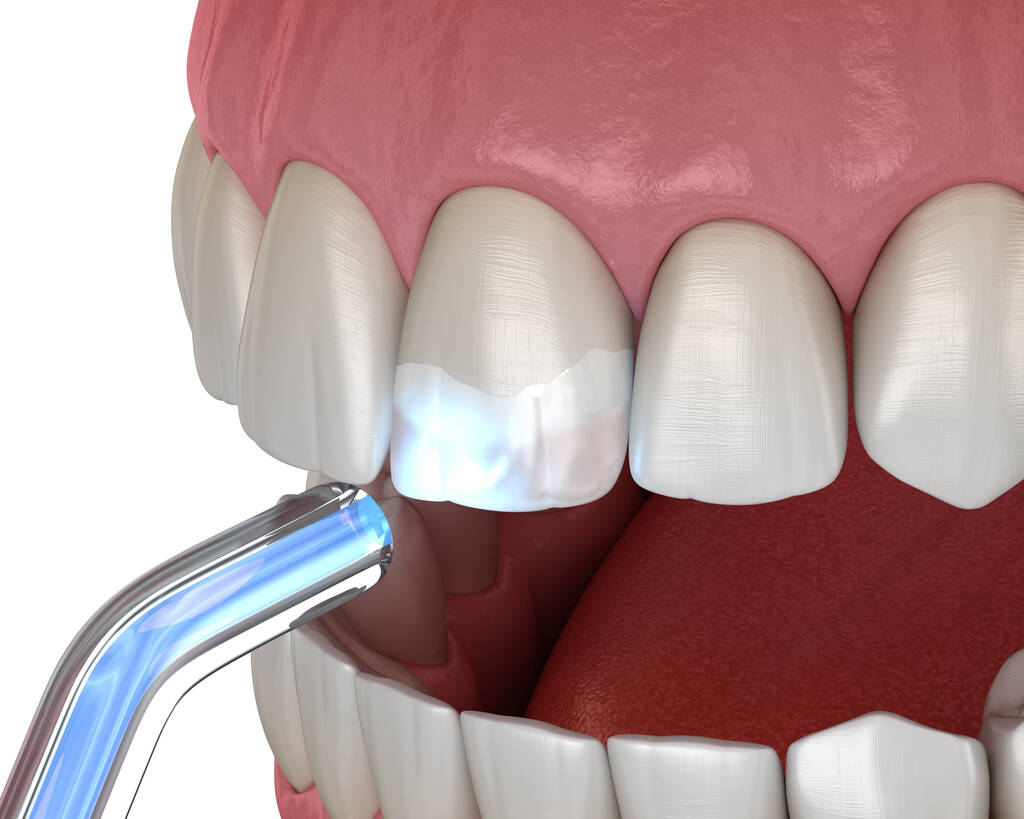
A cavity below the gum line can be harder to notice and harder to treat than a cavity on the visible part of a tooth. It matters because decay in this area can spread quickly to the tooth root, gums, and bone support around the tooth. The reassuring part is that dentists can often treat it early, especially when you do not ignore gum pain, sensitivity, or swelling.
WHAT IS A CAVITY BELOW THE GUM LINE?
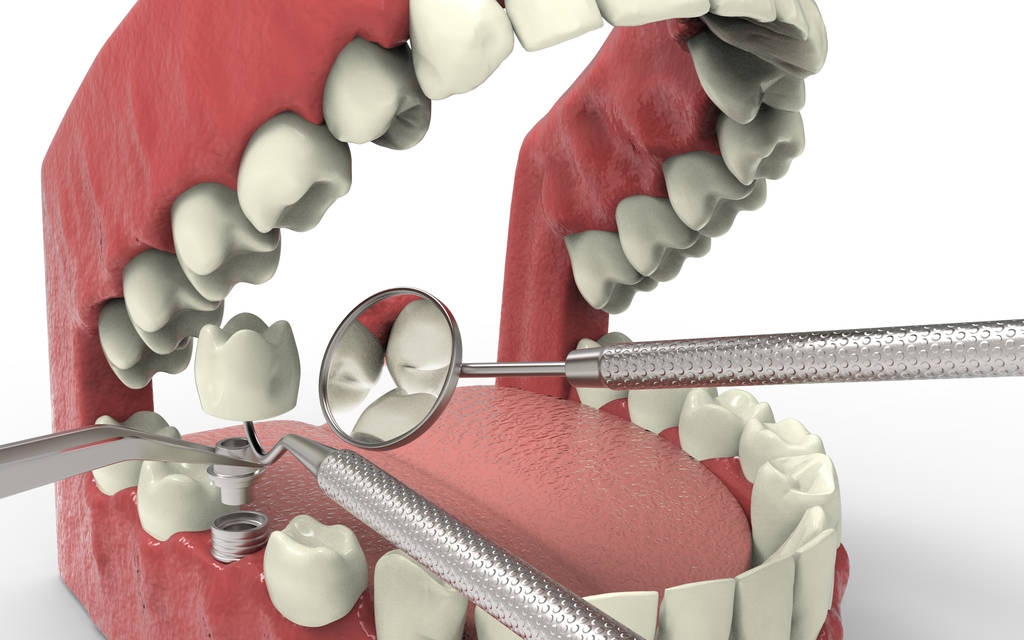
A cavity below the gum line is tooth decay that forms on the part of the tooth hidden by the gums. This area may involve the tooth root, the gum tissue, and sometimes the bone that supports the tooth.
The visible part of the tooth is called the crown. It is protected by enamel, the hard outer layer. The root sits below the gum line and is covered by a softer layer called cementum. Cementum protects the root, but it is not as strong as enamel. This means root cavities can grow faster than cavities on the crown of the tooth.
A cavity below the gum line may not look obvious in the mirror. It may feel like tooth sensitivity, gum tenderness, pain when brushing, bleeding near one tooth, bad taste, or pain when chewing. Sometimes, the first sign is a dentist finding it during an exam or X-ray.
Cavity Gum Line TYPES
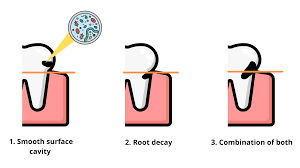
Root cavity
A root cavity forms on the tooth root. This often happens when gums pull away from the tooth and expose the root surface.
Cavity near the gum line
This type forms close to where the tooth meets the gum. It may start above the gum and spread downward if not treated.
Cavity under the gum tissue
This decay sits partly or fully under the gum. It can be difficult to clean and may need special dental tools or surgery to access.
Recurrent decay under a filling or crown
Recurrent decay means a cavity has come back around an old filling or crown. If the edge of a dental crown sits near or below the gum line, bacteria can collect there and cause decay.
Cavity Gum Line Causes
Common causes
Plaque buildup is the main cause. Plaque is a sticky film of bacteria that forms on teeth. When plaque stays near the gum line, bacteria produce acids that damage the tooth.
Gum recession can also cause this problem. Gum recession means the gum tissue pulls back and exposes the tooth root. The exposed root is easier for acid and bacteria to damage.
Poor brushing and flossing raise the risk. The gum line is easy to miss, especially around back teeth, crowded teeth, bridges, and crowns.
Dry mouth can make root cavities more likely. Saliva helps wash away food and acid. When the mouth is dry, teeth lose some natural protection.
Frequent sugary snacks and drinks also increase risk. Sugar feeds bacteria, which then produce more acid.
Older dental work can contribute. A loose filling, leaking crown, or rough edge near the gum can trap bacteria.
Serious causes
Gum disease can expose roots and create deep spaces around teeth. These spaces, called periodontal pockets, can trap plaque below the gum line.
A dental abscess can develop if decay reaches the nerve inside the tooth. An abscess is a pocket of infection that can cause swelling, pus, fever, and severe pain.
Advanced decay below the gum line can weaken the tooth so much that a simple filling may not work. The tooth may need a root canal, crown, gum procedure, or extraction.
In some cases, bone loss around the tooth can make treatment more complex. Bone loss may happen with severe gum disease or long-term infection.
SYMPTOMS TO WATCH FOR
A small cavity below the gum line may cause no symptoms at first. This is why regular dental visits are important.
Mild symptoms may include sensitivity to cold, sweet foods, or brushing near the gum. You may notice a short, sharp pain that goes away quickly.
Moderate symptoms may include gum tenderness, bleeding when brushing, bad breath, food getting stuck near the gum, or pain while chewing.
Severe symptoms may include constant toothache, throbbing pain, swelling, pus, a bad taste, loose tooth feeling, or pain that spreads to the jaw or ear.
Symptoms can be worse in older adults because gum recession and dry mouth become more common with age. People with crowns, bridges, partial dentures, or past gum disease may also have a higher risk.
DIAGNOSIS
A dentist starts by asking about your symptoms, dental history, brushing habits, dry mouth, past gum disease, and any old fillings or crowns.
During the exam, the dentist checks the tooth and gum line closely. They may use a small dental instrument to feel for soft spots, rough edges, or gaps around dental work.
The dentist may measure gum pockets with a periodontal probe. This is a small measuring tool used to check how deep the space is between the tooth and gum.
Dental X-rays help show decay that is hidden below the gum line or under old dental work. X-rays can also show whether decay is close to the nerve and whether there is bone loss around the tooth.
In complex cases, the dentist may refer you to a periodontist, a gum specialist, or an endodontist, a dentist who treats the inside of teeth.
CARE AND TREATMENT

Home care / self-care
You cannot remove a cavity at home, especially one below the gum line. Home care can reduce irritation and slow further damage, but it does not replace dental treatment.
Brush gently along the gum line twice daily with fluoride toothpaste. Fluoride is a mineral that helps strengthen teeth.
Floss once daily, or use another cleaning tool your dentist recommends if floss is difficult. Cleaning between teeth helps remove plaque that brushing misses.
Avoid frequent sugary drinks and snacks. Choose water when possible, especially between meals.
If you have dry mouth, sip water often and ask your dentist about safe ways to protect your teeth.
Do not ignore pain, swelling, or bleeding around one tooth. These symptoms often mean the problem needs treatment.
Medical treatment
Treatment depends on how deep the cavity is and how far it extends below the gum.
If the cavity is small and reachable, the dentist may remove the decay and place a filling. The filling seals the damaged area and restores the tooth shape.
If the cavity is deeper or near the gum, the dentist may need to move or gently reshape gum tissue to reach the decay. This helps them clean and restore the tooth properly.
If decay is under a crown, the dentist may need to remove the crown, clean the decay, and place a new crown.
If decay reaches the nerve, root canal treatment may be needed. A root canal removes infected or inflamed tissue inside the tooth and seals the space.
If the tooth is badly damaged below the gum line, a crown lengthening procedure may be recommended. Crown lengthening removes or reshapes gum tissue, and sometimes bone, so more of the tooth is visible and repairable.
If the tooth cannot be saved, extraction may be needed. After removal, the dentist may discuss replacement options such as an implant, bridge, or partial denture.
PREVENTION TIPS
Brush carefully along the gum line every day, not just the chewing surfaces.
Floss daily to remove plaque between teeth and under the gum edge.
Use fluoride toothpaste unless your dentist tells you not to.
Treat dry mouth early, especially if you take medicines that make your mouth feel dry.
Keep regular dental checkups so hidden cavities can be found before they become severe.
Ask your dentist to check old fillings, crowns, and bridges for leaks or gaps.
WHEN TO SEE A DOCTOR
Seek urgent dental care if you have:
- Severe or constant tooth pain
- Swelling in the gum, cheek, jaw, or face
- Pus, bad taste, or drainage near a tooth
- Fever with tooth or gum pain
- A loose tooth or sudden change in your bite
- Pain when chewing that gets worse
- Bleeding around one tooth that does not improve
- Gum recession with new tooth sensitivity
- A crown or filling that feels loose
- A dark spot, hole, or soft area near the gum line
- Trouble opening your mouth, swallowing, or breathing
CLOSING NOTE
A cavity below the gum line is not something to watch casually. It can be hidden, painful, and harder to repair if it spreads. Early dental care gives you the best chance of saving the tooth and avoiding more complex treatment.