
What Doctor Treats Fatty Liver?

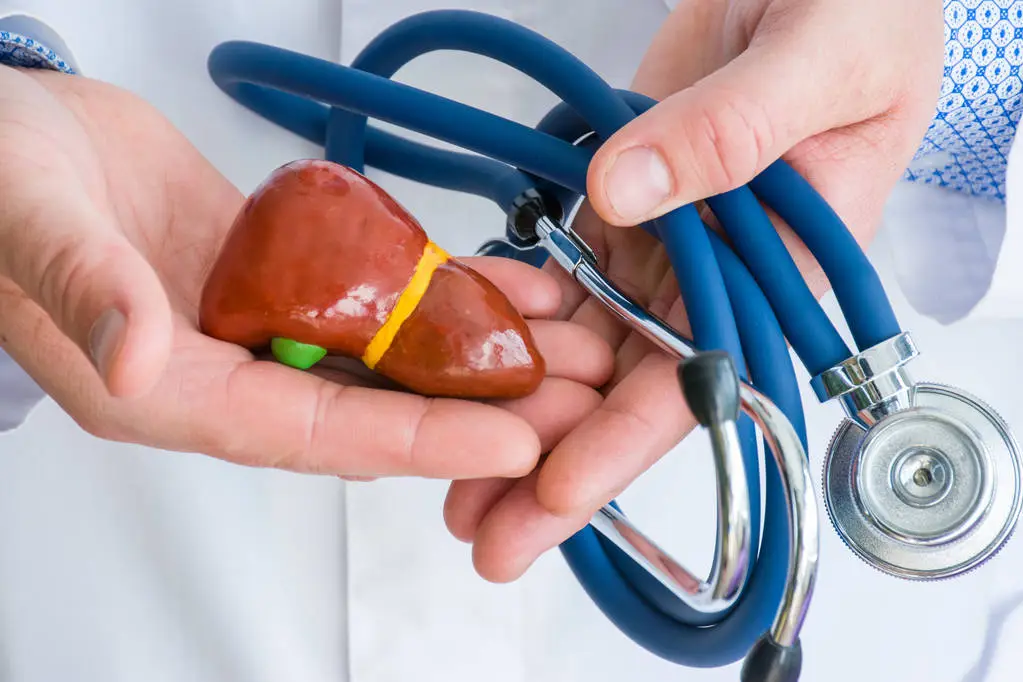
Fatty liver disease — whether alcoholic (ALD) or nonalcoholic (NAFLD) — is a growing health concern affecting hundreds of millions of people globally. Knowing which doctor to see is the first step toward proper diagnosis, management, and treatment.
What Is Fatty Liver Disease?
Fatty liver disease occurs when excess fat accumulates in liver cells. There are two main types:
- Nonalcoholic Fatty Liver Disease (NAFLD): Not related to alcohol; linked to obesity, diabetes, and metabolic syndrome
- Alcoholic Liver Disease (ALD): Caused by excessive alcohol consumption
Both conditions can progress from simple fat accumulation to inflammation, fibrosis, cirrhosis, and even liver cancer if untreated.
Which Doctor Treats Fatty Liver Disease?
| Specialist | Role | When to See Them |
| Hepatologist | Liver specialist; primary expert for fatty liver | Confirmed fatty liver or advanced disease |
| Gastroenterologist | Digestive system expert; often manages NAFLD | Chronic digestive symptoms or elevated liver enzymes |
| Endocrinologist | Manages metabolic causes (diabetes, obesity) | Fatty liver linked to insulin resistance or thyroid issues |
| Primary Care Physician | First evaluation and routine monitoring | Abnormal liver enzymes found on routine labs |
| Nutritionist/Dietitian | Diet-based treatment plans | Weight loss and dietary management of fatty liver |
| Bariatric Surgeon | Weight loss surgery for severe obesity | BMI over 35 with metabolic complications |
Hepatologist vs. Gastroenterologist: What Is the Difference?
Hepatologist
A hepatologist is a physician who specializes exclusively in liver, gallbladder, biliary tract, and pancreas disorders. They are the go-to specialist for:
- Advanced NAFLD or NASH (Nonalcoholic Steatohepatitis)
- Liver fibrosis and cirrhosis
- Liver cancer evaluation
- Pre- and post-liver transplant care
Gastroenterologist
A gastroenterologist specializes in the entire digestive system. Many are also trained in hepatology and can manage:
- Early-stage NAFLD
- Liver enzyme abnormalities
- Colonoscopy and endoscopy procedures
- Digestive symptoms alongside fatty liver
How Is Fatty Liver Diagnosed?
Your doctor will use a combination of these tests to diagnose and stage fatty liver disease:
| Test | Purpose |
| Blood Tests (LFTs) | Detect elevated liver enzymes (ALT, AST, GGT) |
| Ultrasound | First-line imaging to detect fat in the liver |
| FibroScan / Elastography | Measures liver stiffness to assess fibrosis |
| MRI or CT Scan | Detailed imaging of liver structure and fat content |
| Liver Biopsy | Gold standard for staging fibrosis and inflammation |
| NAFLD Fibrosis Score / FIB-4 | Non-invasive scoring to estimate fibrosis risk |
Treatment Options for Fatty Liver
Lifestyle Changes (First-Line Treatment)
- Lose 7-10% of body weight to significantly reduce liver fat
- Follow a Mediterranean or low-carbohydrate diet
- Exercise 150-300 minutes per week (aerobic + resistance training)
- Eliminate alcohol completely
- Manage blood sugar, cholesterol, and blood pressure
Medications
As of 2024-2025, the FDA has approved resmetirom (Rezdiffra) — the first drug specifically approved for NASH with moderate to advanced fibrosis. Other medications used include:
- Vitamin E (antioxidant) for non-diabetic NASH patients
- Pioglitazone for NASH with type 2 diabetes
- GLP-1 receptor agonists (e.g., semaglutide) — showing promising results
Monitoring and Follow-Up
Fatty liver disease requires regular monitoring even if you feel well. Your doctor may schedule:
- Blood tests every 3-6 months
- Annual ultrasound or FibroScan
- Surveillance for liver cancer if cirrhosis is present
Key Takeaway
If you have been diagnosed with fatty liver disease — or have risk factors like obesity, diabetes, or elevated liver enzymes — start with your primary care physician. They will refer you to a hepatologist or gastroenterologist for specialist care. Early detection and consistent management can prevent disease progression and protect your long-term liver health.