
Newborn Brain Development Starts at Discharge

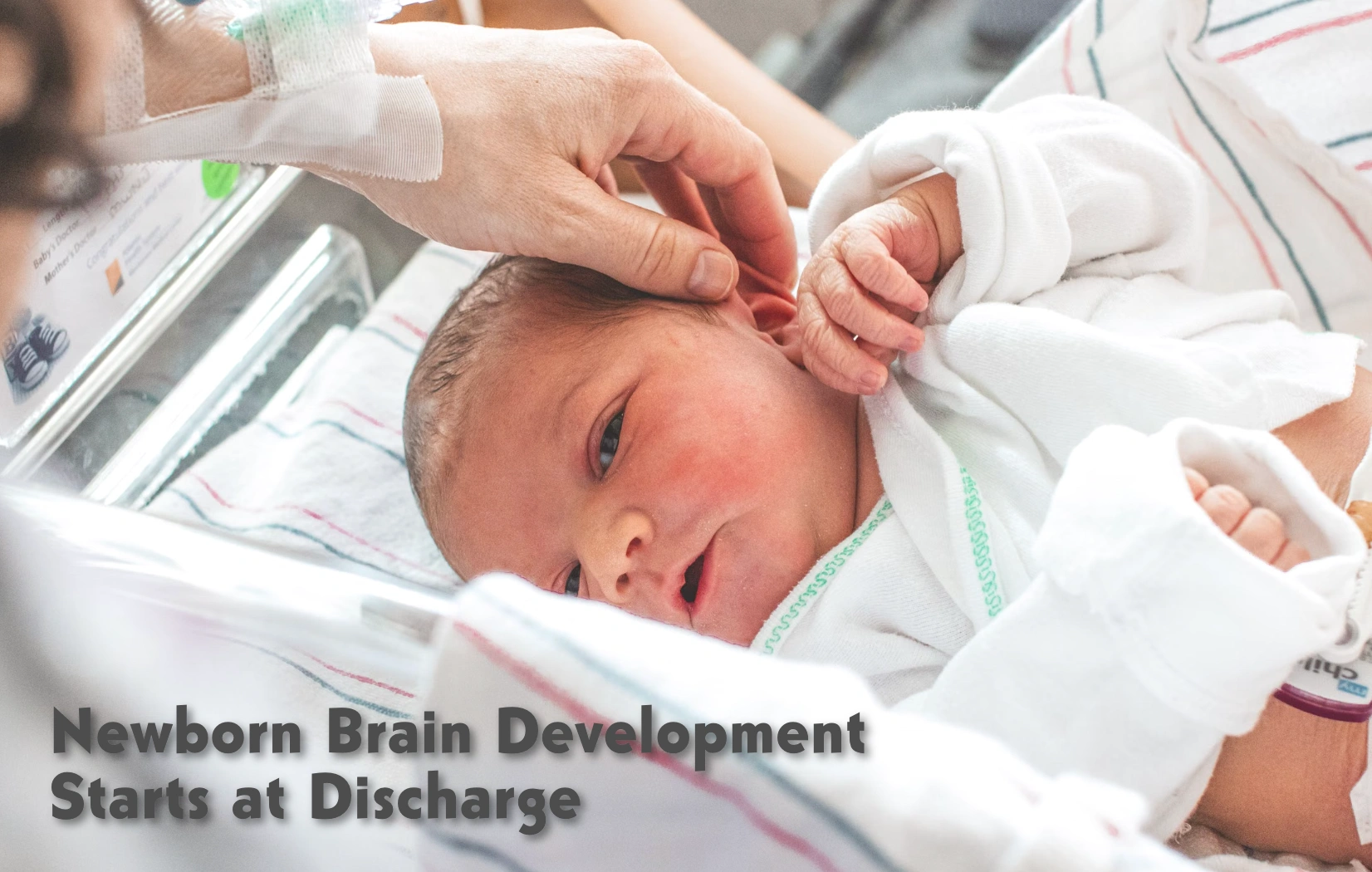
Most new parents treat hospital discharge as the finish line. The paperwork is signed, the car seat is checked, and everyone breathes out for the first time in days. In reality, discharge day is closer to a starting line, since this is exactly when the real work of brain building begins at home. we talk with new parents who assume the hospital “handled” the important part, when the truth is that the right specialist relationship going forward matters just as much as anything that happened during delivery.
This piece walks through what actually happens in a newborn’s brain in the days and weeks right after leaving the hospital, why that first week matters so much medically, and the small daily habits that genuinely support healthy brain growth. We kept the language simple on purpose, since sleep deprived parents do not need dense medical jargon added on top of everything else.
By the end, you will know what your baby’s first follow up visit is actually checking for, what “serve and return” means and why pediatric experts keep repeating it, and which signs mean a phone call to a doctor cannot wait.
None of this requires a perfect household or a parent who never makes mistakes. Newborn brain development is built through ordinary, repeated moments rather than one dramatic gesture, which is genuinely good news for families running on very little sleep.
What Discharge Day Actually Means for a Newborn’s Brain

A newborn leaves the hospital with a brain that is already remarkably active, but still very much under construction. According to research summarized by Zero to Three, a baby’s brain produces more than a million new neural connections every single second in these early months, and it roughly doubles in size during the first year of life.
None of that growth pauses because a family walks out through the hospital doors. If anything, the environment changes from a monitored hospital room to a home full of new sounds, faces, light patterns, and routines, all of which the brain is actively soaking in and organizing.
Why This Framing Matters for Parents
Thinking of discharge as an ending can lead families to relax their guard exactly when close attention matters most. Thinking of it as a starting line shifts the mindset toward what happens next: feeding, sleep, touch, and the small back and forth moments that shape how a baby’s brain wires itself in these first weeks.
The First Week After Discharge Is a Critical Medical Window
Pediatric guidelines are specific about this period for a reason. The American Academy of Pediatrics recommends a follow up visit within 3 to 5 days after birth, and within 48 to 72 hours of hospital discharge specifically, precisely because several important checks cannot wait longer than that.
This early visit is not just a weight check. It is where doctors catch problems that were not obvious in the hospital but can affect a baby’s development if missed, including feeding difficulties, jaundice, dehydration, and newborn screening results that require follow up.
| First Follow Up Visit (Days 3 to 5) | What It Covers |
|---|---|
| Weight and feeding check | Confirms the baby is regaining birth weight and feeding effectively |
| Jaundice screening | Untreated severe jaundice can affect brain development if missed |
| Newborn screening review | Confirms results from hospital blood spot and hearing tests, flags any follow up needed |
| Parent wellbeing check | Screens for parental exhaustion or perinatal mood concerns that affect early bonding |
A few honest, practical notes worth knowing before that first appointment:
- Bring any hospital discharge paperwork with you, since it usually lists which newborn screening tests were already completed.
- Write down feeding times and wet or dirty diaper counts for the days before the visit, since this data helps the doctor faster than trying to recall it from memory.
- Do not skip this visit even if the baby “seems fine.” Several of the checks above have no obvious symptoms a parent would notice at home.
Serve and Return: The Simple Habit That Builds Brain Architecture
If there is one concept pediatric researchers keep repeating, it is “serve and return.” The Center on the Developing Child at Harvard University describes it as the back and forth exchange between a baby and a caregiver, where a baby’s coo, cry, or gesture is met with a response like eye contact, a word, or a touch.
These exchanges are not just sweet bonding moments. They are described as the mechanism that actually builds and strengthens the neural connections responsible for later language, emotional regulation, and social skills. When these responsive exchanges happen consistently, they lay a stable foundation. When they are missing or inconsistent for long stretches, that same brain architecture can be disrupted.
Simple, low effort ways parents can build this into daily life without adding extra tasks to an already exhausting schedule:
- Talk through what you are doing during routine care, such as naming objects during a diaper change or narrating a walk around the room.
- Copy your baby’s expressions and sounds back to them, since imitation is one of the easiest forms of serve and return there is.
- Pause after a baby coos or reaches for something, giving them a moment to “serve” again before you respond a second time.
Feeding, Sleep, and Skin Contact Do More Than People Think

Brain development in these early weeks is not only about talking and playing. Some of the most powerful inputs are physical and easy to overlook.
Feeding and Brain Growth
Breast milk and formula both provide the calories and specific nutrients, including fats and proteins, that fuel the rapid brain growth happening in these months. According to Mayo Clinic, a newborn’s movements are jerky and uncoordinated at first, and steady nutrition plays a direct role in the motor control that develops over the following weeks.
Skin to Skin Contact
Skin to skin contact, sometimes called kangaroo care, supports temperature regulation, feeding success, and calmer stress responses in newborns. Calmer, more regulated babies tend to engage more easily in the back and forth interactions that support brain development, so this is not a separate wellness trend, it directly supports the same goal.
Sleep Patterns
Sleep is when a huge amount of the brain’s organizing and consolidating work happens, even though a newborn’s sleep looks chaotic and fragmented from the outside. Cleveland Clinic’s milestone guidance notes that safe sleep practices, such as placing a baby on their back on a firm surface, protect both physical safety and the uninterrupted rest that development depends on.
| Input | Rough Role in Early Brain Development |
|---|---|
| Breast milk or formula | Supplies fats and nutrients that fuel rapid neural growth |
| Skin to skin contact | Supports calm regulation, which makes learning interactions easier |
| Consistent, safe sleep | Allows the brain to consolidate what it absorbed while awake |
| Responsive talking and touch | Directly builds neural connections through serve and return |
Why Parental Mental Health Is Part of the Brain Development Picture
It might seem strange that a parent’s own mood shows up in an article about a baby’s brain, but pediatric guidelines treat the two as connected rather than separate topics.
The American Academy of Pediatrics explicitly includes a check on parental mental health and perinatal mood concerns as part of the earliest well child visits. This is not an afterthought added onto the baby’s checkup. It is included because a caregiver dealing with untreated anxiety, exhaustion, or postpartum depression often has a much harder time offering the consistent, responsive interactions that serve and return depends on.
None of this is about blaming a struggling parent. Sleep loss, hormonal changes, and the sheer physical demands of newborn care are enough to affect anyone’s mood and patience, regardless of how prepared someone felt going in. The point is simply that asking for support, whether from a partner, family member, or a doctor, is not a side issue disconnected from the baby’s development. It is a direct part of it.
A few honest signs worth mentioning to a doctor rather than pushing through alone:
- Feeling persistently sad, numb, or disconnected from the baby for more than a couple of weeks
- Ongoing anxiety that makes basic newborn tasks feel impossible to manage
- Thoughts of harming yourself or the baby, which always warrant an immediate call to a doctor or emergency service, not a wait and see approach
Bringing this up early, even briefly, at that first follow up visit tends to lead to faster support than waiting until things feel unmanageable.
Common Mistakes New Parents Make in the First Weeks

A few patterns come up again and again in early pediatric visits, and most of them are easy to fix once a parent knows to watch for them.
One frequent mistake is skipping or delaying the 3 to 5 day follow up visit because the baby seems to be feeding and sleeping fine. Jaundice and certain screening follow ups are not always visible to an untrained eye, which is exactly why this visit exists in the first place.
Another common mistake is over-stimulating a newborn with constant noise, bright screens, or nonstop activity, assuming more input always means more brain building. Newborns actually need quiet stretches and predictable routines just as much as stimulation, since an overtired or overstimulated baby struggles to engage in the calm, responsive exchanges that support development.
Comparing a baby’s pace to other babies online is another habit worth dropping early. Developmental ranges are wide in the first months, and a baby who is slightly behind on one skill and ahead on another is well within typical variation.
Finally, parents sometimes ignore their own exhaustion or low mood, assuming it is simply part of the deal. Parental mental health is directly tied to how consistently a caregiver can offer the responsive “return” side of serve and return, so addressing parental wellbeing is not a side issue, it is part of supporting the baby’s development too.
Does the Length of the Hospital Stay Itself Matter?
Parents sometimes worry that a shorter hospital stay somehow shortchanges their baby’s start. The honest answer is more nuanced than a simple yes or no.
What matters more than the exact number of hours in the hospital is whether feeding was well established, whether the baby is free of illness, and whether a solid follow up plan is in place before everyone goes home. Pediatric guidance places the responsibility for that judgment call on the care team looking after the mother and baby together, rather than on a fixed rule that applies to every family the same way.
This is exactly why the 3 to 5 day follow up visit carries so much weight. It is designed as a safety net that catches anything a shorter stay might not have had time to reveal, including feeding problems, jaundice that develops after discharge, or weight loss that needs a closer look.
A Short List of What “Ready for Discharge” Usually Includes
- Stable feeding, with at least a couple of successful feeds documented before leaving
- Normal vital signs and no ongoing medical concerns requiring hospital level monitoring
- Completed newborn screening tests, or a clear plan for when and where they will be finished
- A scheduled follow up appointment already booked before leaving the building
Building a Brain Friendly Home in the First Weeks
You do not need special toys, expensive classes, or a themed nursery to support a newborn’s brain in these early weeks. The most useful environment is calmer and simpler than most baby product marketing suggests.
Consistent routines help more than novelty does at this age. A predictable rhythm of feeding, brief awake time, and sleep gives a newborn’s developing brain a stable pattern to organize itself around, rather than constant unpredictability to adjust to.
Reducing background noise and harsh lighting during awake and sleep periods also supports the calm state babies need to engage in learning interactions. A newborn’s nervous system is still learning how to filter and manage sensory input, so a quieter home environment is doing real developmental work, not just keeping things pleasant for tired parents.
Involving other trusted caregivers, whether a partner, grandparent, or close family friend, spreads out the responsive interactions a baby needs throughout the day. Brain development does not require one single caregiver to do everything; it benefits from multiple consistent, loving faces offering the same kind of responsive attention.
Common Beliefs About Newborn Brains, Checked Against the Evidence
A handful of beliefs about newborn brain development circulate constantly among new parents, and not all of them hold up once you look closely.
| Common Belief | What The Evidence Actually Supports |
|---|---|
| “Classical music or brain apps will boost my baby’s IQ” | Real human interaction and responsive care matter far more than any recorded audio or app |
| “A baby this young cannot really be affected by stress at home” | Newborns are highly sensitive to caregiver stress and household tension, even without understanding words |
| “Skin to skin contact is mainly for premature babies” | Full term newborns benefit from it too, through calmer regulation and easier feeding |
| “Formula fed babies are automatically behind on development” | Nutrition quality and responsive caregiving matter more than the specific feeding method chosen |
Sorting fact from marketing early on saves a lot of unnecessary guilt and unnecessary spending during an already overwhelming stretch of life.
What to Expect in the First Month
Every baby develops on their own timeline, but pediatric guidance from the CDC and HealthyChildren.org gives a general sense of what tends to show up by one month of age.
- Briefly focusing on a face, especially a caregiver’s face held close during feeding
- Startling at loud, sudden sounds and calming somewhat to a familiar voice
- Beginning to move arms and legs a little more smoothly than the jerky newborn stage
- Showing brief moments of alertness between longer stretches of sleep
These are general patterns, not a strict checklist, and any specific concern is always worth raising directly with your pediatrician rather than comparing against an online list alone.
When to Call a Doctor Right Away
Most of the newborn period is normal exhaustion and adjustment, but certain signs are never worth waiting on. Persistent poor feeding, a baby who is unusually difficult to wake, extreme irritability that will not settle, or any change in breathing pattern all deserve prompt medical attention rather than a “let’s see how tomorrow goes” approach.
Our full red flag symptom reference guide breaks these warning signs down clearly, which is worth bookmarking before you need it at three in the morning.
If getting to a clinic quickly is difficult, a telemedicine consultation can be a reasonable first step to get a professional opinion on whether an in person visit is needed right away. From there, our full directory of doctors on Find Md Health, including profiles such as Dr. Emily Wang, can help you find the right specialist for ongoing newborn or pediatric care.
Frequently Asked Questions
Does it matter if my baby misses the first follow up visit by a few days? It can. Jaundice and feeding problems can progress quickly in the first week, so the recommended 48 to 72 hour window after discharge exists specifically to catch issues early rather than after they have worsened.
Can too much stimulation actually hurt a newborn’s brain development? Overstimulation will not cause lasting harm on its own, but it can make a baby fussier and less able to engage in the calm interactions that support learning. Balancing stimulation with quiet, predictable rest tends to work better than constant activity.
Is screen time a problem this early? Most pediatric guidance recommends avoiding screen time for babies this young, since face to face interaction and real world sounds are what the developing brain is primed to respond to at this stage.
Do formula fed babies miss out on brain development compared to breastfed babies? Formula is designed to provide the fats, proteins, and nutrients a growing brain needs, and many babies thrive on it. Feeding method matters far less than consistent, responsive care and adequate nutrition overall.
How do I know if my baby is meeting expected milestones? General milestone lists are a helpful reference point, but your pediatrician is the best judge of your specific baby’s progress, especially since normal development covers a fairly wide range in the first months.
Should I be worried if my baby does not seem to make eye contact yet? Brief, inconsistent eye contact is typical in the earliest weeks and tends to improve steadily. If it is not improving at all by around two months, that is worth mentioning at the next well child visit.
Does talking to my baby really make a measurable difference this early? Yes. Responsive talking, even before a baby understands words, reinforces the same neural pathways used later for language and communication. Consistency matters more than volume or complexity of speech.
Is it normal for a newborn to sleep almost all day? Yes, newborns typically sleep in short stretches across most of the day and night, since long consolidated sleep develops gradually over the following months. This pattern is expected and part of healthy early development, not a cause for concern on its own.