
Can Your Everyday Food Choices Affect Long-Term Brain Health?

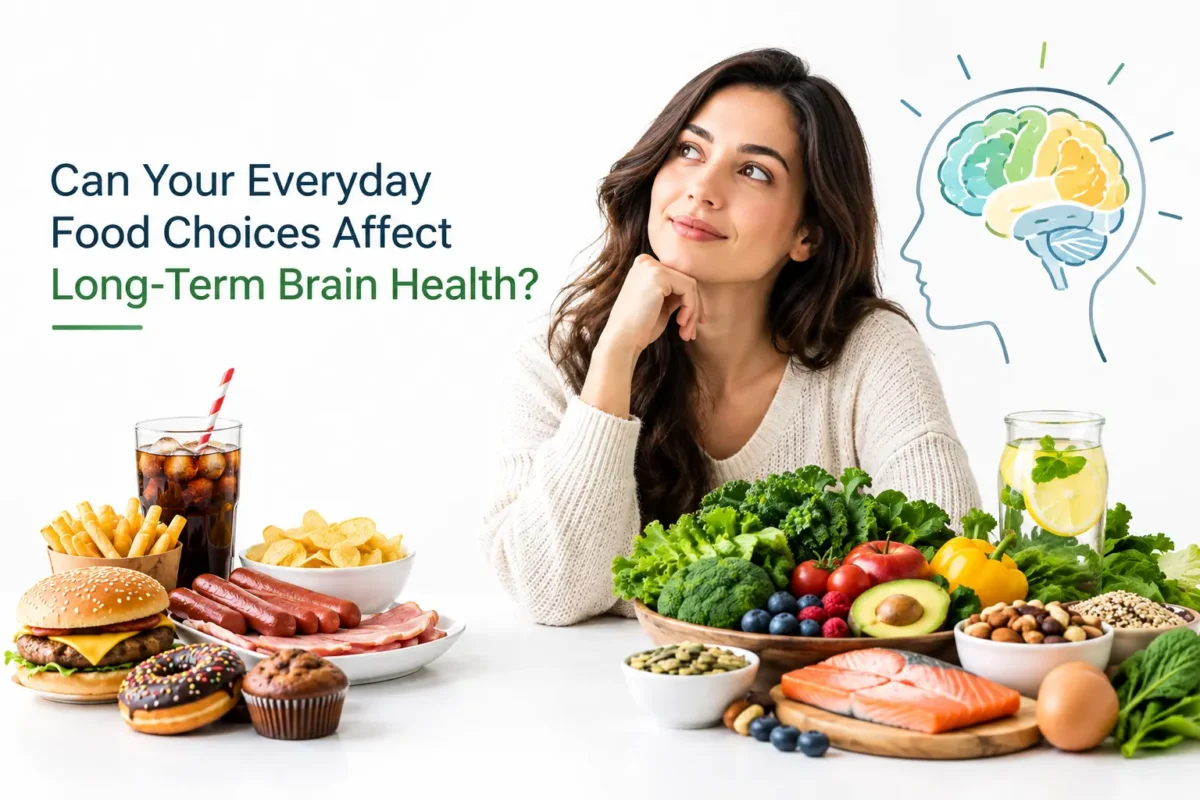
Have you ever thought about how your everyday food choices may affect your health years from now?
What we eat can influence many parts of our health, including heart health, metabolism, inflammation, and overall well-being. Research has also looked at dietary patterns and cancer risk. However, diet is only one part of cancer risk, and there is no single food that directly causes or prevents brain cancer.
This is not about being afraid of food or trying to eat perfectly. It is about becoming more aware of what makes up your usual diet and where small changes may help.
Processed Meats Are Worth Limiting
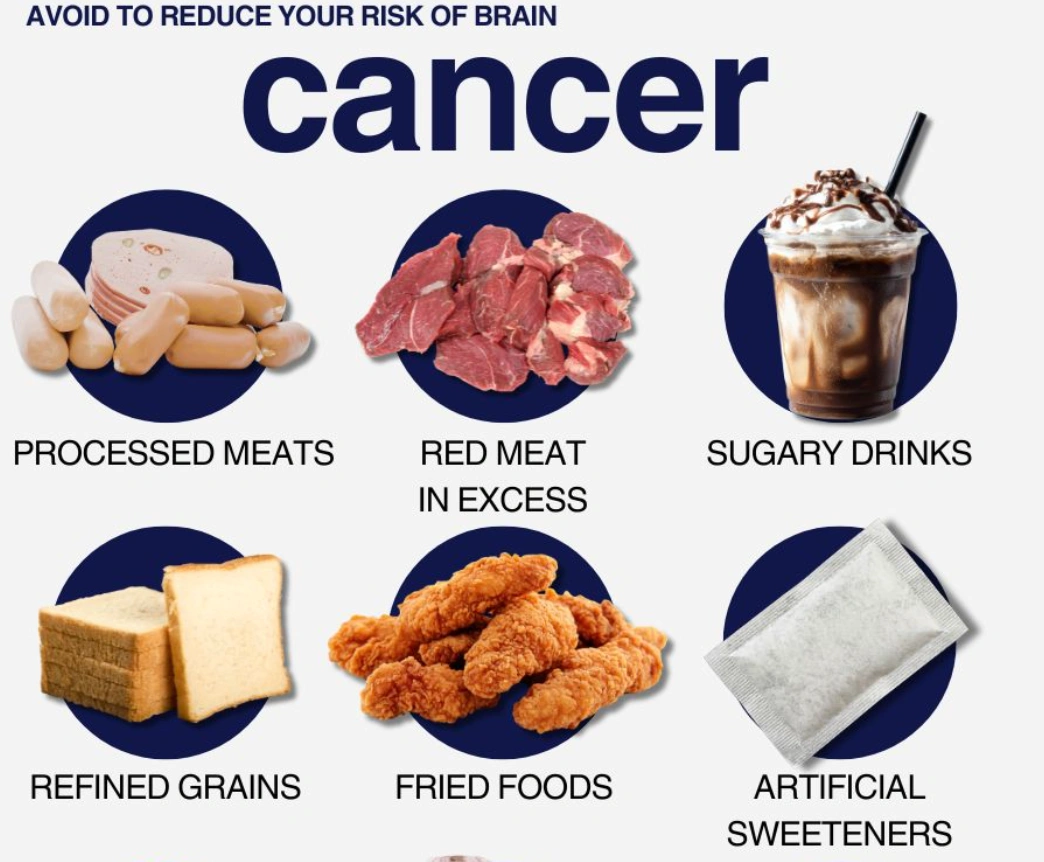
Processed meats include foods such as bacon, sausages, hot dogs, and other meats that have been cured, smoked, salted, or otherwise processed. Regular consumption has been linked with an increased risk of colorectal cancer, which is why health organizations recommend limiting these foods.
That does not mean you need to panic about an occasional serving. The bigger picture is how often these foods appear in your everyday meals.
What About Red Meat?
Red meat can provide useful nutrients, including protein, iron, and vitamin B12. The concern is mainly about eating large amounts regularly.
Choosing a variety of protein sources and keeping portions reasonable can be a practical approach to a balanced diet.
Sugary Drinks and Highly Processed Foods
Sugary drinks, refined grains, fried foods, and highly processed snacks can make up a large part of a diet without providing much nutritional value. Having them occasionally is different from relying on them every day.
Instead of trying to remove every processed food, focus on building more meals around vegetables, fruits, whole grains, beans, nuts, seeds, and other nutrient-rich foods.
Artificial Sweeteners Need Some Context
Artificial sweeteners are often discussed when people talk about cancer risk, but the evidence is not as simple as social media posts sometimes make it sound.
Research has not established that approved artificial sweeteners directly cause cancer in humans. Some studies have reported possible associations, so this is an area where it is better to look at the evidence as a whole rather than make decisions based on fear.
Alcohol Is Different
Alcohol has a well-established connection with several types of cancer. Research shows that alcohol consumption can increase cancer risk, and the risk generally increases as alcohol intake increases.
If you drink, reducing how much and how often you drink can be one meaningful step toward supporting your long-term health.
It Is Not About Perfect Eating
You do not need to look at one meal and worry that you have damaged your health. Long-term health is influenced by many things, including your overall diet, physical activity, genetics, environment, alcohol use, smoking, and other factors.
The goal is not perfection. It is making more supportive choices more often.
Small Changes Can Add Up
You could start by replacing sugary drinks with water more often, adding vegetables or fruit to meals, choosing whole grains more frequently, reducing processed meats, and keeping highly processed snacks and fried foods as occasional choices.
These changes may sound simple, but simple does not mean meaningless. Your everyday habits are built from small decisions repeated over time.
The Bottom Line
Your food choices are one part of the bigger picture of long-term health. There is no single food that guarantees protection from cancer, and avoiding one particular food cannot eliminate cancer risk.
What matters is the overall pattern. This is not about fear or perfection. It is about awareness, balance, and making small choices that support your health over time.
Medical Disclaimer
This article is for general educational purposes and is not a substitute for medical advice, diagnosis, or treatment. If you have concerns about your diet, cancer risk, brain health, or any symptoms, speak with a qualified healthcare professional.
References
- National Cancer Institute. Diet and Cancer. National Cancer Institute.
- National Cancer Institute. Alcohol and Cancer Risk Fact Sheet. National Cancer Institute.
- National Cancer Institute. Chemicals in Meat Cooked at High Temperatures and Cancer Risk. National Cancer Institute.
- National Cancer Institute. Cancer Prevention Overview. National Cancer Institute.