
Type 2 Diabetes Does Not Happen Overnight

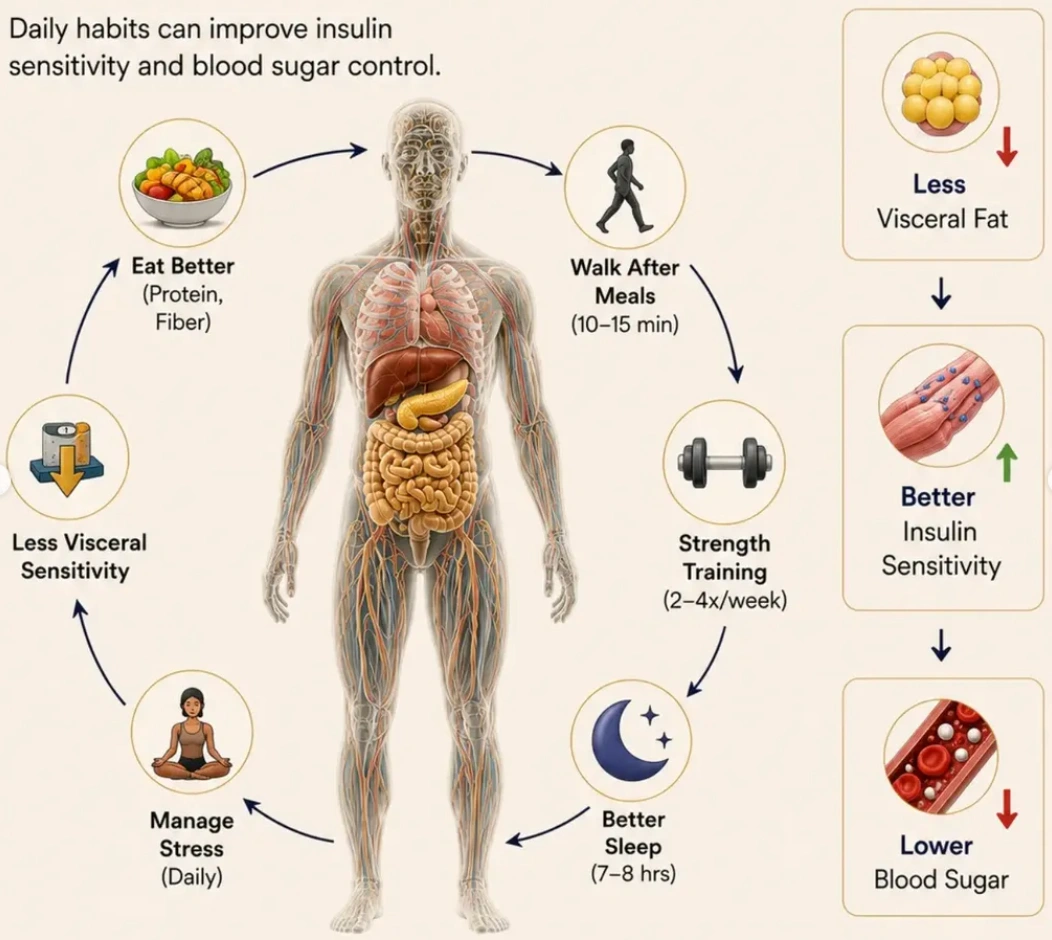
Type 2 diabetes usually does not appear out of nowhere. Changes in how the body responds to insulin can develop gradually over years, often before a person ever receives a diagnosis.
That is why managing Type 2 diabetes is about more than watching a fasting glucose number, an HbA1c result, or a medication dose. Those numbers are important, but they are only part of the picture.
What Can Happen Before a Diabetes Diagnosis?
One of the key changes is insulin resistance. This happens when the body’s cells do not respond to insulin as well as they should. The pancreas may compensate by producing more insulin to help keep blood glucose within range.
For some people, this process continues for years. Over time, the pancreas may struggle to keep up with the body’s insulin needs, and blood glucose can begin to rise into the prediabetes and eventually diabetes range.
Visceral fat, particularly fat stored around the organs in the abdomen, can also be associated with insulin resistance and other metabolic changes.
Managing the Number Is Not the Whole Story
Your HbA1c tells you about your average blood glucose over roughly the previous two to three months. Fasting glucose provides another important piece of information. Medication may also be an important part of keeping glucose in a safer range.
But these measurements do not tell you everything happening with your metabolism.
This does not mean that a well-controlled HbA1c is unimportant. Good glucose control is an important part of reducing the risk of diabetes complications. It simply means that diabetes management involves more than chasing one number.
Can Type 2 Diabetes Improve?
Yes, meaningful improvement is possible for many people, particularly when changes are made consistently and early. Depending on the person, improvements in food choices, physical activity, weight, sleep, and other aspects of metabolic health can improve insulin sensitivity and blood glucose.

Some people with Type 2 diabetes can achieve remission, meaning their blood glucose remains below the diabetes range without glucose-lowering medication for a defined period. However, remission is not guaranteed, and it does not mean the underlying risk has disappeared forever.
Diabetes can return, which is why ongoing healthy habits and medical follow-up still matter.
Daily Habits Can Change the Metabolic Environment
You do not need to completely change your life overnight.
Regular physical activity can help your muscles use glucose more effectively. Eating balanced meals with appropriate portions, fiber-rich foods, protein, and nutritious carbohydrate sources can support better blood glucose management.
Sleep and stress also deserve attention. Poor sleep and chronic stress can affect hormones, appetite, glucose regulation, and daily choices.
The goal is not perfection. It is creating habits that you can continue long enough for your body to benefit from them.
Medication Is Not a Failure
It is also important not to treat medication as something that means you have failed.
Many people with Type 2 diabetes need medication, and some may need more than one treatment over time. Medication can be an important part of protecting health and controlling blood glucose.
Lifestyle changes and medication are not always either-or choices. Your healthcare professional can help determine what combination is appropriate for you.
Start Before Your Next Blood Test
Your next HbA1c result is influenced by what happens between today’s habits and that future test.
That does not mean you need to become perfect tomorrow. Start with realistic changes you can repeat: move more regularly, build balanced meals, get enough sleep, take prescribed medication as directed, and keep up with your medical appointments.
Small actions may seem ordinary, but consistency is what gives them meaning over time.
Type 2 diabetes may develop gradually, and improving your health is also a process. Remission is not guaranteed for everyone, but better glucose control and better metabolic health can be realistic goals. What matters is understanding what is happening inside your body and taking steps that support it.
Medical Disclaimer
This article is for general health education and is not medical advice. Do not stop, reduce, or change diabetes medication without speaking with your healthcare professional. Diabetes management and the possibility of remission vary from person to person and depend on factors such as disease duration, medications, other health conditions, and individual metabolic health.
References
- American Diabetes Association Professional Practice Committee. Standards of Care in Diabetes—2026. Diabetes Care. 2026.
- American Diabetes Association Professional Practice Committee. Obesity and Weight Management for the Prevention and Treatment of Diabetes: Standards of Care in Diabetes—2026. Diabetes Care. 2026.
- National Institute of Diabetes and Digestive and Kidney Diseases. Insulin Resistance & Prediabetes.
- National Institute of Diabetes and Digestive and Kidney Diseases. Type 2 Diabetes.
- Lean MEJ, Leslie WS, Barnes AC, et al. Durability of a primary care-led weight-management intervention for remission of type 2 diabetes. The Lancet Diabetes & Endocrinology. 2019;7(5):344–355.