
Do Not Self-Treat PCOS Before Getting a Proper Diagnosis

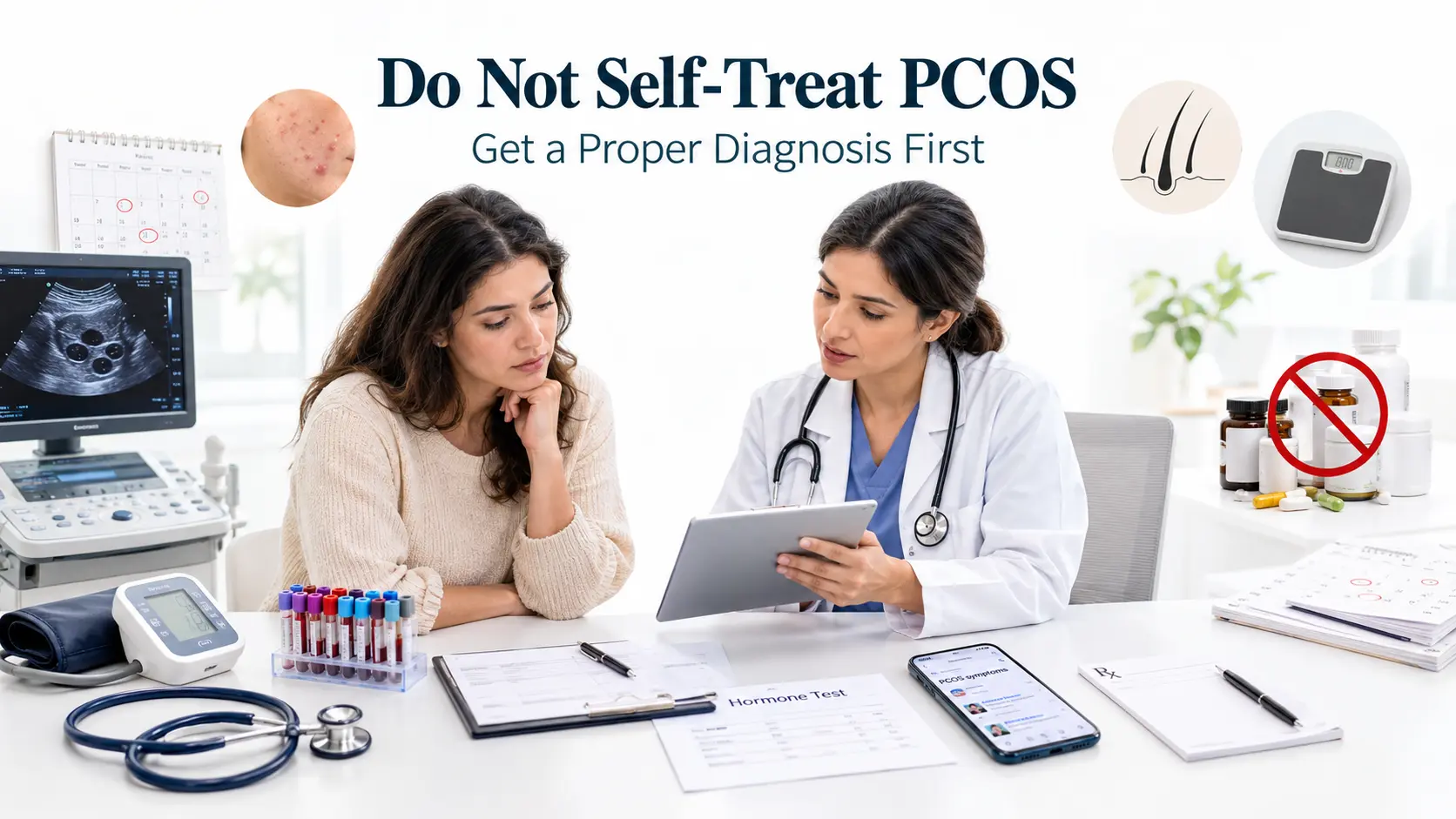
If you have irregular periods, acne, weight changes, unwanted hair growth, or other symptoms that sound like PCOS, it can be tempting to start treating yourself based on what you see online.
But symptoms alone are not enough to confirm PCOS. Several other health conditions can cause similar symptoms, and assuming you have PCOS without a proper evaluation can mean the actual cause is missed or treated later than it should be.
PCOS Symptoms Can Look Like Other Conditions
PCOS can affect periods, hormones, skin, hair growth, weight, and fertility. But these changes are not unique to PCOS.
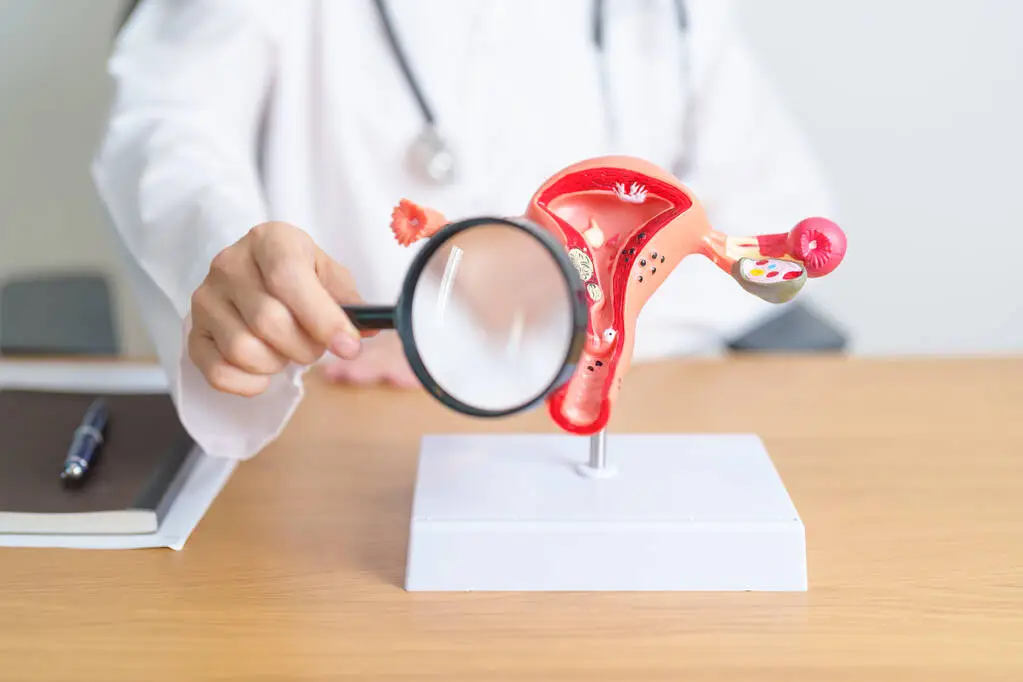
Thyroid problems, high prolactin levels, certain adrenal conditions, some medications, and other hormonal issues can cause similar symptoms. That is why a healthcare professional needs to look at your symptoms alongside your medical history and examination.
A Proper Diagnosis Matters
There is no single test that confirms PCOS in every woman. Healthcare professionals usually consider several factors, including menstrual patterns, signs of higher androgen levels, and sometimes ultrasound findings.
Blood tests may be recommended to check hormone levels and rule out other possible causes. An ultrasound may also be advised depending on your symptoms and situation.
You do not necessarily need every test you see mentioned online. The right evaluation depends on your individual symptoms and medical history.
Do Not Start Medications or Supplements on Your Own
Social media can make PCOS treatment look simple. You may see someone recommending a particular supplement, hormone medication, diet, or treatment because it helped them.
But what works for one person may not be appropriate for another. Some supplements can interact with medications or cause side effects, and medications should be chosen based on your specific diagnosis and health needs.
Talk with a qualified healthcare professional before starting medication or supplements for suspected PCOS.
Treat the Cause, Not Just the Symptoms
Managing PCOS is not simply about making one symptom disappear. The goal is to understand what is happening in your body and create a treatment plan that addresses your individual needs.
If your periods are irregular, for example, it is important to understand why. If you are experiencing acne, unwanted hair growth, or changes in weight, those symptoms deserve attention too.
Your First Step Should Be Getting Answers
You do not need to diagnose yourself before seeing a healthcare professional. Write down your symptoms, menstrual patterns, medications and supplements, and any changes you have noticed. This can help make your appointment more useful.
The internet can help you learn about your symptoms, but it cannot replace a proper medical evaluation.
The Bottom Line
Do not start self-treatment for PCOS based on symptoms or social media advice alone. A proper diagnosis is the first step toward finding the right way to manage your health.
Listen to your body, ask questions, get the recommended evaluation, and make treatment decisions with a qualified healthcare professional rather than trying to treat a diagnosis you have not confirmed.
Medical Disclaimer
This article is for general educational purposes and is not a substitute for medical advice, diagnosis, or treatment. If you think you may have PCOS or are experiencing hormonal or menstrual changes, speak with a qualified healthcare professional for an appropriate evaluation.