
5 Innocent Habits That Could Be Affecting Your Health

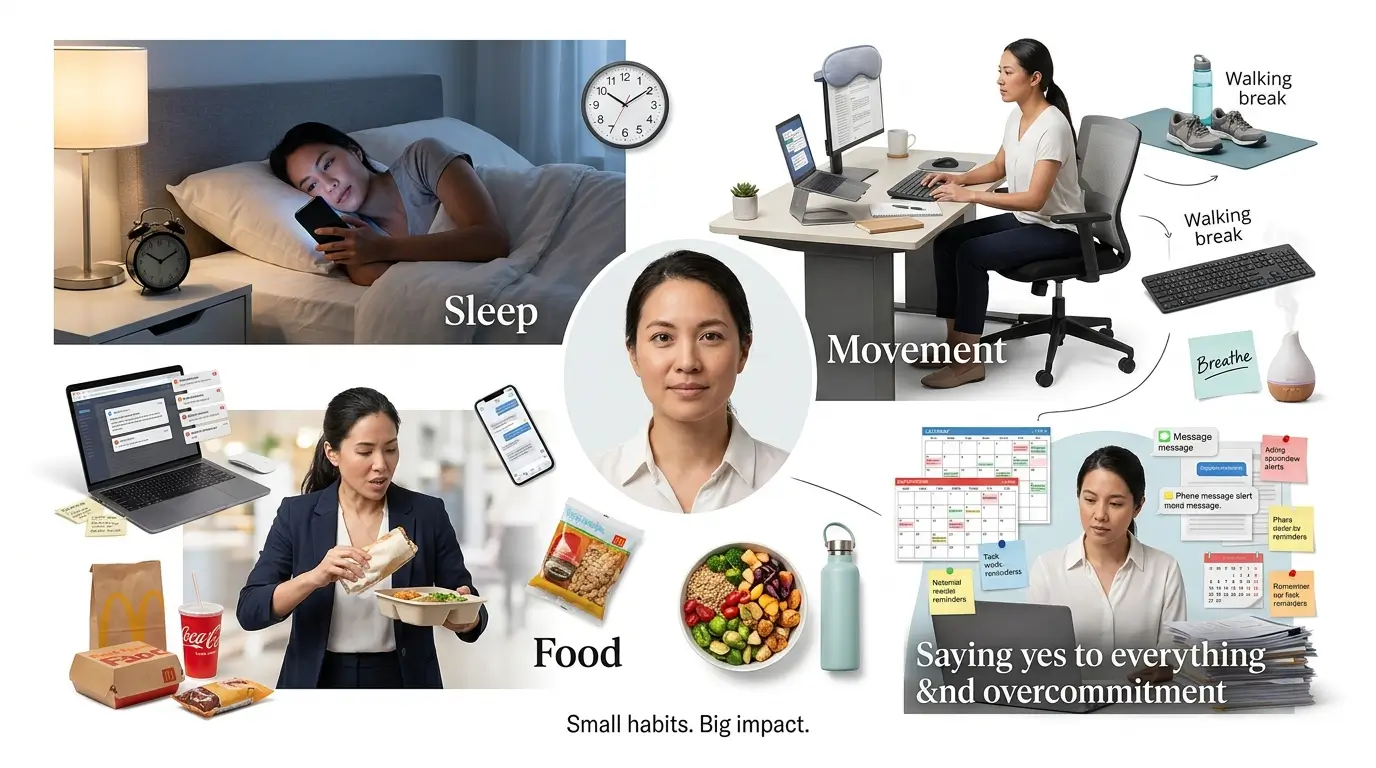
Some habits feel so normal that we barely think about them. We tell ourselves we will sleep later, sit down for “just another hour,” deal with stress when things calm down, grab whatever food is available, or keep saying yes because we do not want to disappoint anyone.
But when these habits become part of everyday life, they can start affecting your health in ways you may not notice right away.
Here are five common habits worth paying attention to.
1. Skipping Sleep
“I’ll catch up on sleep later” sounds harmless, especially when life gets busy.
But regularly getting too little sleep can affect your energy, concentration, mood, appetite, and overall health. Chronic sleep problems are also associated with a higher risk of conditions such as cardiovascular disease, obesity, and Type 2 diabetes.
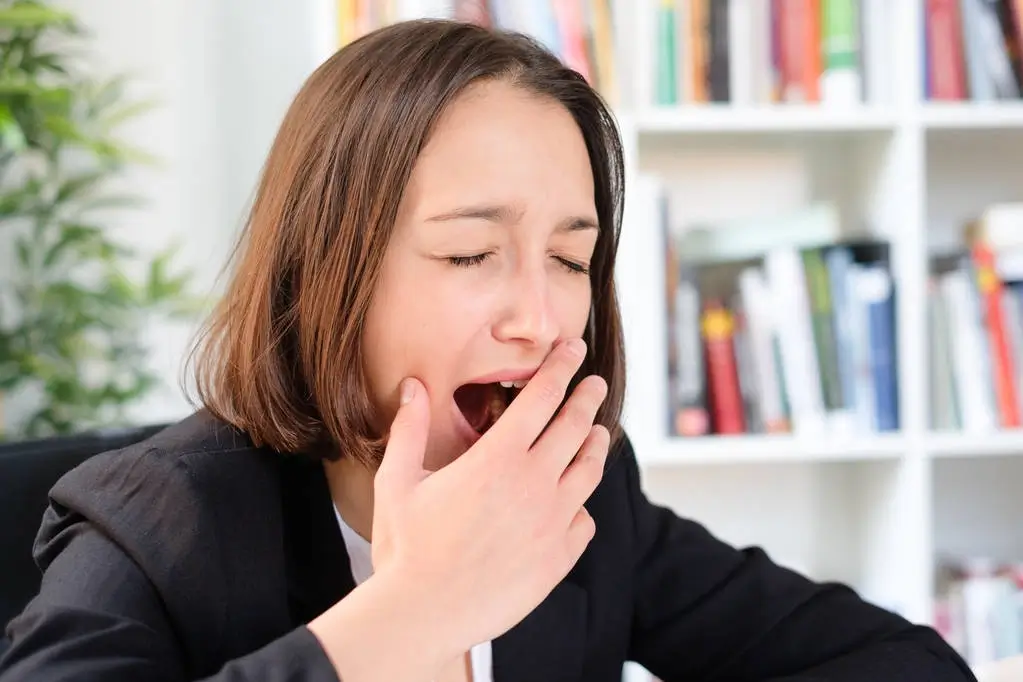
One short night is not going to ruin your health. The concern is when insufficient sleep becomes your normal routine.
Try treating sleep as part of your health rather than something you fit in after everything else is finished.
2. Sitting Too Much
Many of us spend hours sitting at a desk, driving, watching television, or using our phones.
Long periods of sedentary behavior are associated with health risks, especially when there is very little physical activity during the rest of the day. Staying in one position for too long can also contribute to stiffness, neck discomfort, and back pain.
You do not need to spend the entire day exercising to make a difference. Standing up regularly, walking around during breaks, taking the stairs when practical, and adding more movement to your day can help reduce long periods of sitting.
3. Ignoring Stress
Stress is a normal part of life, but constantly feeling stressed is different from having an occasional stressful day.
Long-term stress can affect sleep, mood, eating habits, blood pressure, and other aspects of physical health. It can also make it harder to take care of yourself because you are constantly focused on getting through the next task.
You do not have to eliminate every source of stress. Start by noticing what is causing it and creating small opportunities to recover. A walk, regular sleep, time away from your phone, breathing exercises, or talking with someone you trust can all be useful depending on what works for you.
4. Eating on the Go All the Time
There is nothing wrong with occasionally grabbing a quick meal. The problem is when rushed eating becomes your everyday pattern.
When you are constantly eating in a hurry, skipping meals, or relying heavily on highly processed convenience foods, it can become harder to get enough fiber, protein, fruits, vegetables, and other nutrients your body needs.
Instead of trying to follow a perfect diet, focus on making your regular meals more balanced. Adding vegetables, a protein source, whole grains or other nutritious carbohydrates, and healthy fats can make everyday eating more supportive of your health.
5. Saying Yes to Everything
This habit may not look like a health problem, but constantly overcommitting can leave very little time for sleep, movement, meals, relationships, or simply resting.
When every part of your day is filled with someone else’s needs, your own health can easily move to the bottom of the list.
Learning to say no does not mean you do not care about other people. Sometimes it means recognizing your own limits and protecting the time you need to recover.
Small Habits Can Add Up
You do not need to change everything at once.
Maybe tonight you go to bed a little earlier. Tomorrow you take a few more walking breaks. You make time for a proper meal instead of eating whatever is closest. You pause before automatically saying yes to another responsibility.
These changes may seem small, but health is built through repeated choices over time.
Your body does not need perfection. It needs consistent care. And sometimes, taking better care of yourself starts with noticing the habits you have stopped questioning.
Medical Disclaimer
This article is for general health education and is not medical advice. Individual health needs vary, and lifestyle changes may not be appropriate for everyone. If you have ongoing symptoms or concerns about sleep, stress, nutrition, physical activity, or another aspect of your health, speak with a qualified healthcare professional.
References
- American Academy of Sleep Medicine and Sleep Research Society. Recommended Amount of Sleep for a Healthy Adult: A Joint Consensus Recommendation. Sleep. 2015;38(6):843–844.
- World Health Organization. WHO Guidelines on Physical Activity and Sedentary Behaviour. 2020.
- American Heart Association. Stress and Heart Health.
- Centers for Disease Control and Prevention. About Sleep and Your Health.
- U.S. Department of Agriculture. Dietary Guidelines for Americans, 2020–2025.