
5 Signs You Might Have a Vitamin D Deficiency

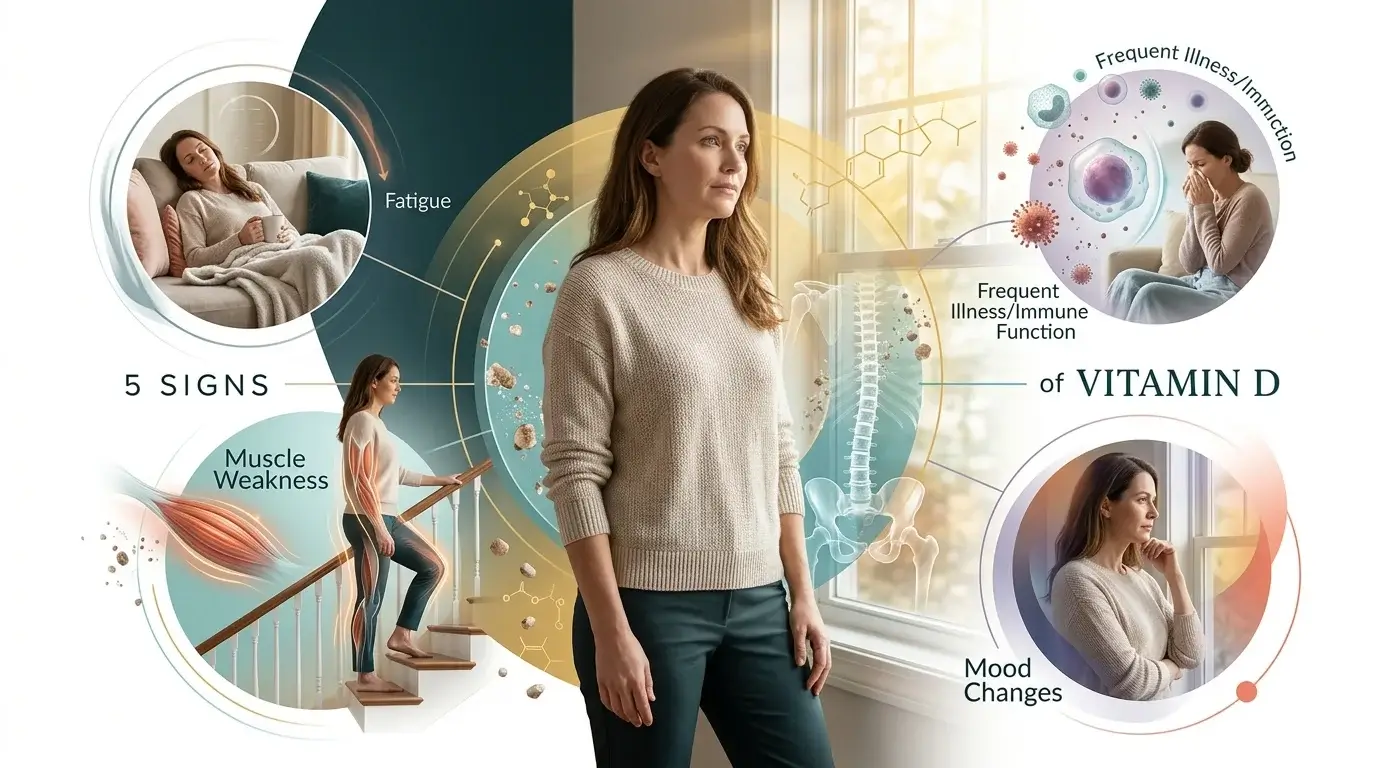
You might be ignoring the signs of vitamin D deficiency without even realizing it.
Vitamin D is important for healthy bones and muscles, but its role goes beyond that. When your vitamin D level is too low, the symptoms can be subtle and may look like everyday tiredness or other common health problems.
That is why it can be easy to overlook.
1. You Feel Tired All the Time
Feeling tired after a busy day is normal. But if you regularly feel exhausted even after getting enough sleep, it may be worth looking at the bigger picture.
Low vitamin D has been associated with fatigue in some people. However, tiredness can have many other causes, including anemia, thyroid problems, poor sleep, stress, and other health conditions.
2. Your Muscles Feel Weak
Vitamin D plays an important role in normal muscle function.
When levels are low, some people can experience muscle weakness or difficulty with everyday activities. You may notice that climbing stairs, getting up from a chair, or carrying things feels harder than it used to.
Muscle weakness should not automatically be blamed on vitamin D, but persistent symptoms are worth discussing with a healthcare professional.
3. You Have Bone Pain or Aching
Vitamin D helps your body absorb calcium, which is essential for maintaining healthy bones.
A significant deficiency can affect bone health and may cause bone pain or contribute to weakened bones. Adults with severe deficiency can develop a condition called osteomalacia, which can cause bone discomfort and muscle weakness.
If you have unexplained or ongoing bone pain, testing can help determine whether vitamin D is actually involved.
4. You Seem to Get Sick Often
Vitamin D is involved in normal immune system function. Research has looked at the relationship between vitamin D levels and respiratory infections, although having frequent illnesses does not automatically mean you are deficient.
Your immune health depends on many things, including sleep, nutrition, age, underlying conditions, and exposure to infections.
So if you are getting sick frequently, it is better to look at the whole picture rather than assuming vitamin D is the answer.
5. Your Mood Has Changed
Mood changes have also been associated with low vitamin D levels, but the relationship is complicated.
Feeling low, unmotivated, or emotionally drained can have many causes, and vitamin D deficiency is not a diagnosis for depression or other mental health conditions.
If you notice ongoing changes in your mood, talk with a healthcare professional rather than trying to treat the problem with supplements on your own.
How Do You Know If Your Vitamin D Is Actually Low?
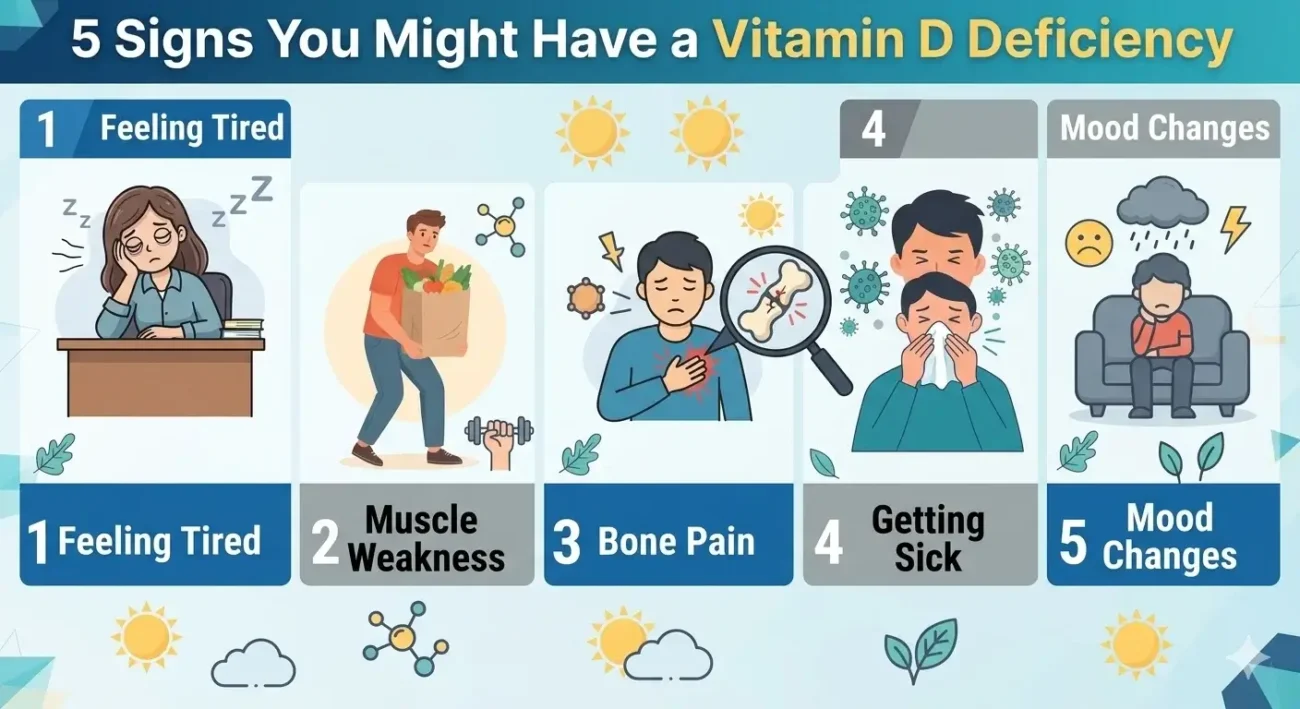
Symptoms alone cannot confirm vitamin D deficiency.
A healthcare professional may recommend a blood test called 25-hydroxyvitamin D, or 25(OH)D, to assess your vitamin D status. Whether you need testing depends on your symptoms, risk factors, medical history, and clinical situation.
This is important because taking high doses of vitamin D without medical guidance is not harmless. Too much vitamin D can cause excessively high calcium levels and other health problems.
Who May Be More at Risk?
Vitamin D levels can be affected by several factors. People who get little sun exposure, have darker skin, are older, have certain digestive conditions, or have problems absorbing nutrients may have a higher risk of deficiency.
Your healthcare professional can help determine whether testing or supplementation is appropriate for you.
Do Not Ignore What Your Body Is Telling You
Fatigue, muscle weakness, bone pain, and mood changes are common symptoms with many possible explanations. They do not automatically mean you have low vitamin D.
But if several symptoms are happening together or you have risk factors for deficiency, it may be worth having a conversation with your healthcare professional.
Sometimes the answer is a simple blood test. And sometimes the symptom has an entirely different cause. The important thing is to find out rather than guessing.
Medical Disclaimer
This article is for general health education and is not medical advice. Symptoms of vitamin D deficiency can overlap with many other health conditions. Do not start high-dose vitamin D supplements without speaking with a qualified healthcare professional. Your individual vitamin D needs depend on your health, diet, medications, and other factors.
References
- National Institutes of Health, Office of Dietary Supplements. Vitamin D Fact Sheet for Health Professionals.
- National Institute of Arthritis and Musculoskeletal and Skin Diseases. Osteoporosis and Bone Health.
- National Institutes of Health, Office of Dietary Supplements. Vitamin D and Health.
- Endocrine Society. Clinical Practice Guideline on Vitamin D for the Prevention of Disease. 2024.
- National Health Service. Vitamin D.