
Hemorrhoids Medical Care Causes and Treatment


Hemorrhoids can be uncomfortable, embarrassing, and sometimes concerning when there is an unusual odor. Hemorrhoids themselves do not always smell, but odor can happen when mucus, stool leakage, irritation, infection, or poor cleaning around the anus is involved. If the smell is strong, new, or comes with pain, bleeding, pus, or fever, it is important to get medical care.
WHAT IS HEMORRHOID ODOR?
Hemorrhoids are swollen veins in or around the anus and lower rectum. The rectum is the final part of the large intestine, and the anus is the opening where stool leaves the body.
Hemorrhoids can be internal or external. Internal hemorrhoids form inside the rectum. External hemorrhoids form under the skin around the anus. Both types can cause itching, swelling, bleeding, pain, and irritation.
A hemorrhoid-related odor may smell musty, sour, fishy, fecal, or infected. The odor may come and go, or it may be more noticeable after a bowel movement, sweating, sitting for long periods, or wearing tight clothing.
The smell often comes from moisture, mucus, trapped stool, skin irritation, or drainage around the hemorrhoid. Sometimes, the odor points to another problem, such as an anal fissure, abscess, fistula, or infection.
Hemorrhoids TYPES
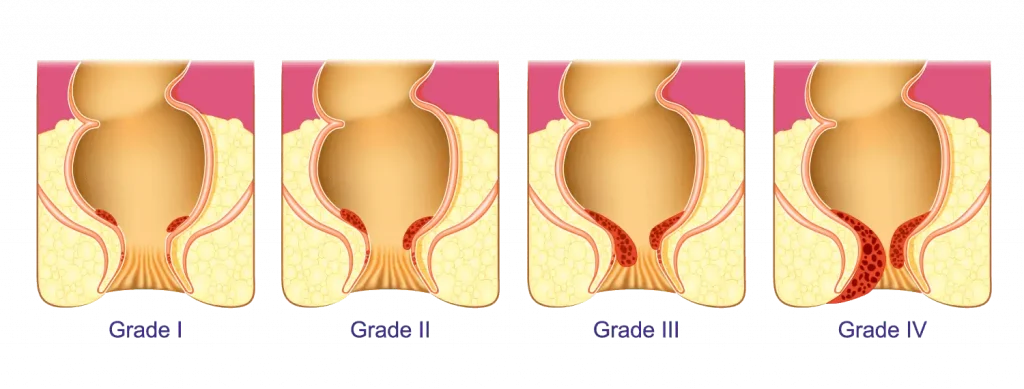
Internal hemorrhoids
Internal hemorrhoids develop inside the rectum. They may not hurt because this area has fewer pain-sensing nerves. They can cause bright red bleeding, mucus leakage, and a feeling that stool remains after a bowel movement.
External hemorrhoids
External hemorrhoids develop around the anus. They may cause swelling, itching, pain, and irritation. Because they are outside the body, they can trap moisture, stool, and sweat, which may lead to odor.
Prolapsed hemorrhoids
A prolapsed hemorrhoid is an internal hemorrhoid that bulges out through the anus. It may leak mucus and make cleaning difficult. This can increase odor and irritation.
Thrombosed hemorrhoids
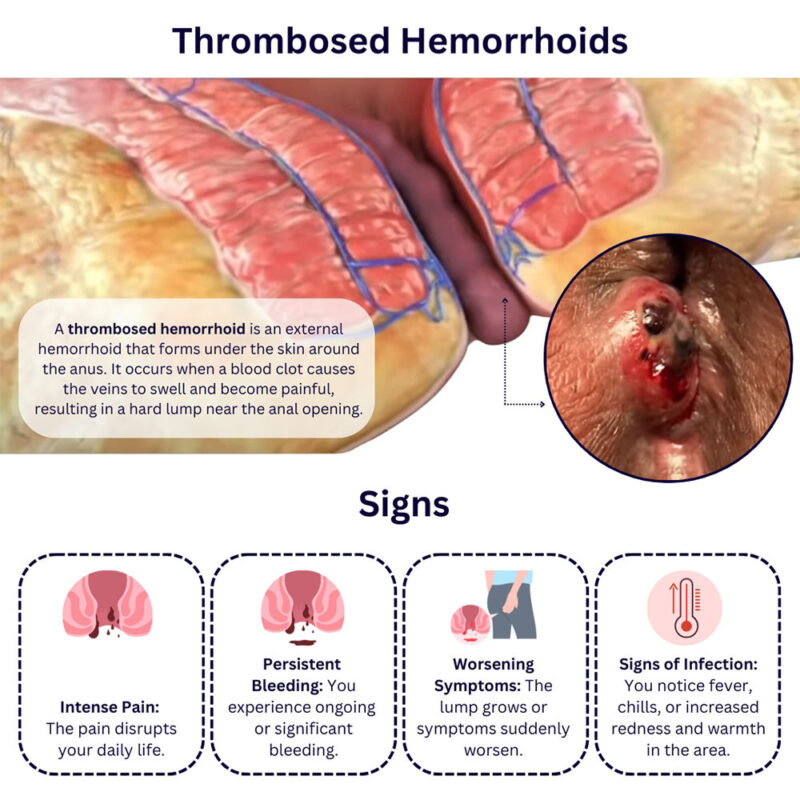
A thrombosed hemorrhoid happens when a blood clot forms inside an external hemorrhoid. It can cause sudden pain, swelling, and a firm lump. It may not cause odor by itself, but irritation, drainage, or poor cleaning around the area can create smell.
Hemorrhoids POSSIBLE CAUSES
Common causes
Mucus leakage is a common reason hemorrhoids may smell. Internal hemorrhoids can irritate the rectum and cause mucus to leak from the anus. Mucus can mix with sweat or stool and create odor.
Stool leakage can also cause smell. Large or prolapsed hemorrhoids may make it harder for the anus to close fully. Small amounts of stool may leak and soil underwear.
Poor wiping or difficult cleaning can lead to odor. Swollen hemorrhoids can create folds around the anus where stool, sweat, and bacteria collect.
Sweating can make the odor worse. The anal area is warm and moist, especially during hot weather, exercise, or long periods of sitting.
Diarrhea can irritate hemorrhoids and leave residue around the anus. Loose stool is harder to control and can increase leakage.
Constipation and straining can worsen hemorrhoids. Hard stool can scratch the area, cause bleeding, and make swelling worse.
Certain foods may change stool odor. Spicy foods, greasy foods, alcohol, and highly processed foods may irritate the bowel or make bowel movements smell stronger.
Serious causes
An infection can cause a strong or foul odor. Signs may include pus, worsening pain, swelling, warmth, fever, or drainage.
An anal abscess is a pocket of pus near the anus. It can cause severe pain, swelling, fever, and a bad smell if it drains.
An anal fistula is an abnormal tunnel between the anal canal and the skin near the anus. It may cause repeated drainage, odor, irritation, and swelling.
A fissure, which is a small tear in the skin of the anus, can become irritated or infected. It may cause sharp pain and bleeding during bowel movements.
Inflammatory bowel disease, such as Crohn’s disease or ulcerative colitis, can cause diarrhea, mucus, bleeding, anal sores, fistulas, and odor.
Rarely, cancer in the rectum or anus can cause bleeding, discharge, pain, bowel habit changes, or a persistent odor. A lasting change should always be checked.
SYMPTOMS TO WATCH FOR
Mild hemorrhoid odor may happen with sweating, mucus, or minor stool residue. It may improve with gentle cleaning, dry underwear, and better bowel habits.
Itching and burning are common when mucus or stool irritates the skin. The skin around the anus may feel raw, sore, or damp.
Bleeding may appear as bright red blood on toilet paper or in the toilet bowl. Small amounts can happen with hemorrhoids, but bleeding should not be ignored if it is heavy, frequent, or new.
Pain may be mild with irritation or severe with a thrombosed hemorrhoid, abscess, or fissure.
A foul odor with pus, fever, swelling, or worsening pain is more concerning. These signs may mean infection or an abscess.
Long-term symptoms such as repeated leakage, mucus, odor, or bleeding need a medical exam to confirm the cause.
DIAGNOSIS
A healthcare provider starts by asking about your symptoms, bowel habits, bleeding, pain, odor, mucus, leakage, diet, and bathroom routine. They may ask whether you have constipation, diarrhea, pregnancy, heavy lifting, or a history of hemorrhoids.
They will examine the anus and surrounding skin for swelling, irritation, lumps, fissures, drainage, or signs of infection.
A digital rectal exam may be done. This means the provider gently inserts a gloved, lubricated finger into the rectum to feel for internal swelling, masses, tenderness, or blood.
An anoscopy may be used. An anoscope is a short tube that lets the provider see inside the anus and lower rectum.
If bleeding is unexplained, symptoms are severe, or there are bowel changes, the provider may recommend further testing, such as a sigmoidoscopy or colonoscopy. These tests use a thin camera to look inside the rectum and colon.
If infection, abscess, or fistula is suspected, imaging or referral to a colorectal specialist may be needed.
CARE AND TREATMENT
Home care / self-care
Clean the anal area gently after bowel movements. Use soft toilet paper, water, or unscented wipes. Avoid harsh scrubbing because it can make irritation worse.
Keep the area dry. Moisture can worsen odor and itching. Pat dry instead of rubbing.
Take warm sitz baths. A sitz bath means sitting in warm water for several minutes to soothe the anal area.
Increase fiber in your diet through fruits, vegetables, beans, and whole grains. Fiber helps soften stool and reduce straining.
Drink enough water. Hydration helps stool pass more easily.
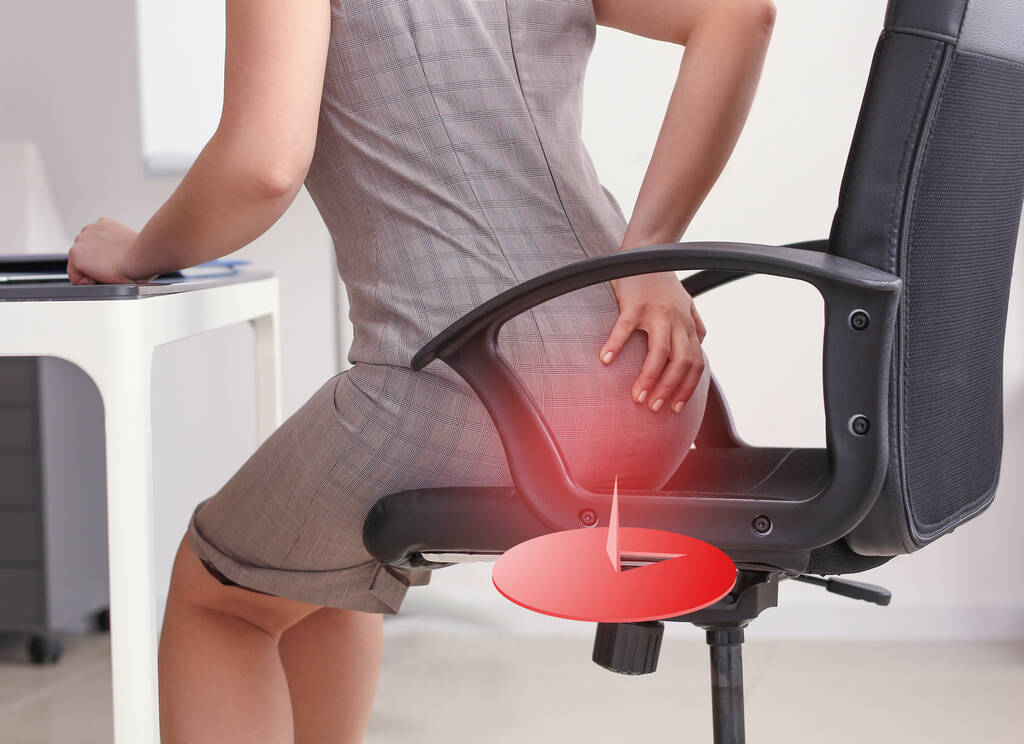
Avoid sitting on the toilet for long periods. This increases pressure on the rectal veins.
Do not force bowel movements. Straining can make hemorrhoids worse.
Wear loose, breathable underwear. Tight clothing can trap sweat and odor.
Medical treatment
Treatment depends on the cause of the odor and the severity of the hemorrhoids.
A healthcare provider may recommend hemorrhoid creams, suppositories, or medicated pads to reduce swelling, itching, and irritation.
If constipation is part of the problem, they may suggest stool softeners or fiber supplements.
For bleeding or prolapsed internal hemorrhoids, office procedures may help. Rubber band ligation is one option where a small band cuts off blood flow to the hemorrhoid so it shrinks.
Other procedures may include sclerotherapy, coagulation treatment, or surgical removal for severe cases.
If there is an abscess, drainage may be needed. Antibiotics alone may not fix an abscess if pus is trapped.
If a fistula is present, surgery may be needed to close or repair the abnormal tunnel.
If symptoms suggest bowel disease or another condition, the provider may refer you to a gastroenterologist or colorectal surgeon.
PREVENTION TIPS
Eat enough fiber every day to prevent hard stools and straining.
Drink water regularly to help keep bowel movements soft.
Use the bathroom when you feel the urge instead of holding stool in.
Avoid sitting on the toilet for long periods.
Clean gently and keep the anal area dry after bowel movements.
Stay active because movement supports healthy bowel function.
WHEN TO SEE A DOCTOR
Seek medical care if you have:
- A strong, foul, or new odor that does not improve
- Pus or unusual drainage from the anus
- Fever with anal pain or swelling
- Severe rectal or anal pain
- A painful lump near the anus
- Heavy or repeated rectal bleeding
- Black or tar-like stool
- Mucus or stool leakage that keeps happening
- A hemorrhoid that prolapses and will not go back in
- Unexplained weight loss
- A major change in bowel habits
- Symptoms that last more than one to two weeks despite home care
Summary
Hemorrhoid odor is usually caused by mucus, moisture, stool leakage, or irritation, but a foul smell can also mean infection or another anal health problem. Do not assume every odor is “just hemorrhoids,” especially if pain, pus, fever, or bleeding is present. A healthcare provider can find the real cause and recommend treatment that actually fixes the problem.