
Understanding the Fibrosis Score for Nonalcoholic Fatty Liver Disease

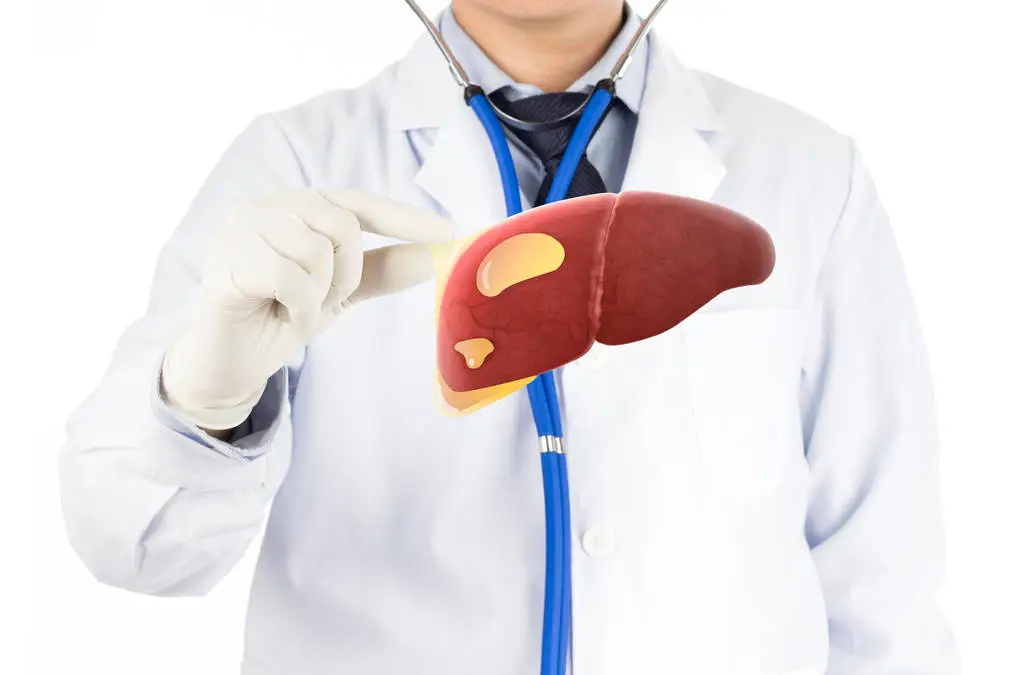
Nonalcoholic Fatty Liver Disease (NAFLD) is the most common chronic liver disease worldwide, affecting an estimated 25% of the global population. As the disease progresses, it can lead to liver fibrosis — scarring of the liver — which can eventually result in cirrhosis and liver failure. The fibrosis score helps doctors assess the severity of liver scarring without invasive procedures.
What Is a Fibrosis Score?
A fibrosis score is a numerical value that estimates the degree of liver scarring in patients with NAFLD. It helps physicians decide whether a liver biopsy is needed and guides treatment decisions.
The NAFLD Fibrosis Score (NFS)
The most widely used tool is the NAFLD Fibrosis Score, calculated using six routine clinical variables:
- Age
- BMI (Body Mass Index)
- Blood glucose or presence of diabetes
- Platelet count
- Albumin level
- AST/ALT ratio (liver enzymes)
How to Interpret the NAFLD Fibrosis Score
| Score Range | Interpretation | Risk Level |
| Below -1.455 | Low probability of advanced fibrosis | Low Risk |
| -1.455 to 0.675 | Indeterminate — further testing needed | Intermediate Risk |
| Above 0.675 | High probability of advanced fibrosis | High Risk |
Fibrosis Staging System (F0–F4)
Liver fibrosis is staged on a scale from F0 to F4 based on biopsy or imaging results:
| Stage | Description |
| F0 | No fibrosis — liver is healthy |
| F1 | Mild fibrosis — minimal scarring around liver cells |
| F2 | Moderate fibrosis — scarring spreading beyond liver cells |
| F3 | Severe fibrosis — bridging fibrosis between liver zones |
| F4 | Cirrhosis — extensive scarring and loss of liver function |
Other Fibrosis Assessment Tools
FIB-4 Index
The FIB-4 Index is another non-invasive scoring tool, calculated using age, AST, ALT, and platelet count:
- FIB-4 below 1.30: Low risk of advanced fibrosis
- FIB-4 between 1.30 and 2.67: Indeterminate — further evaluation needed
- FIB-4 above 2.67: High risk of advanced fibrosis
Liver Elastography (FibroScan)
FibroScan uses ultrasound or MRI technology to measure liver stiffness — a marker of fibrosis. It is painless, non-invasive, and provides results in minutes.
Liver Biopsy
The gold standard for diagnosing and staging fibrosis, though it carries risks and is usually reserved for ambiguous non-invasive results.
Risk Factors That Worsen Fibrosis in NAFLD
- Type 2 diabetes or insulin resistance
- Obesity, especially abdominal obesity
- High blood pressure
- High cholesterol or triglycerides
- Older age
- Alcohol use alongside NAFLD
Can Liver Fibrosis Be Reversed?
Early-stage fibrosis (F1–F2) can often be reversed or halted with lifestyle changes:
- Weight loss of 7-10% of body weight
- Regular physical activity
- Blood sugar control in diabetics
- Avoidance of alcohol
- Medications (under physician supervision)
Key Takeaway
The fibrosis score is a vital tool in managing NAFLD. It helps identify patients at high risk of disease progression before irreversible damage occurs. Regular monitoring, lifestyle modifications, and early intervention can significantly improve outcomes. Consult a hepatologist or gastroenterologist if you have been diagnosed with NAFLD.