
Why Does My Body Feel Sore When I Wake Up?

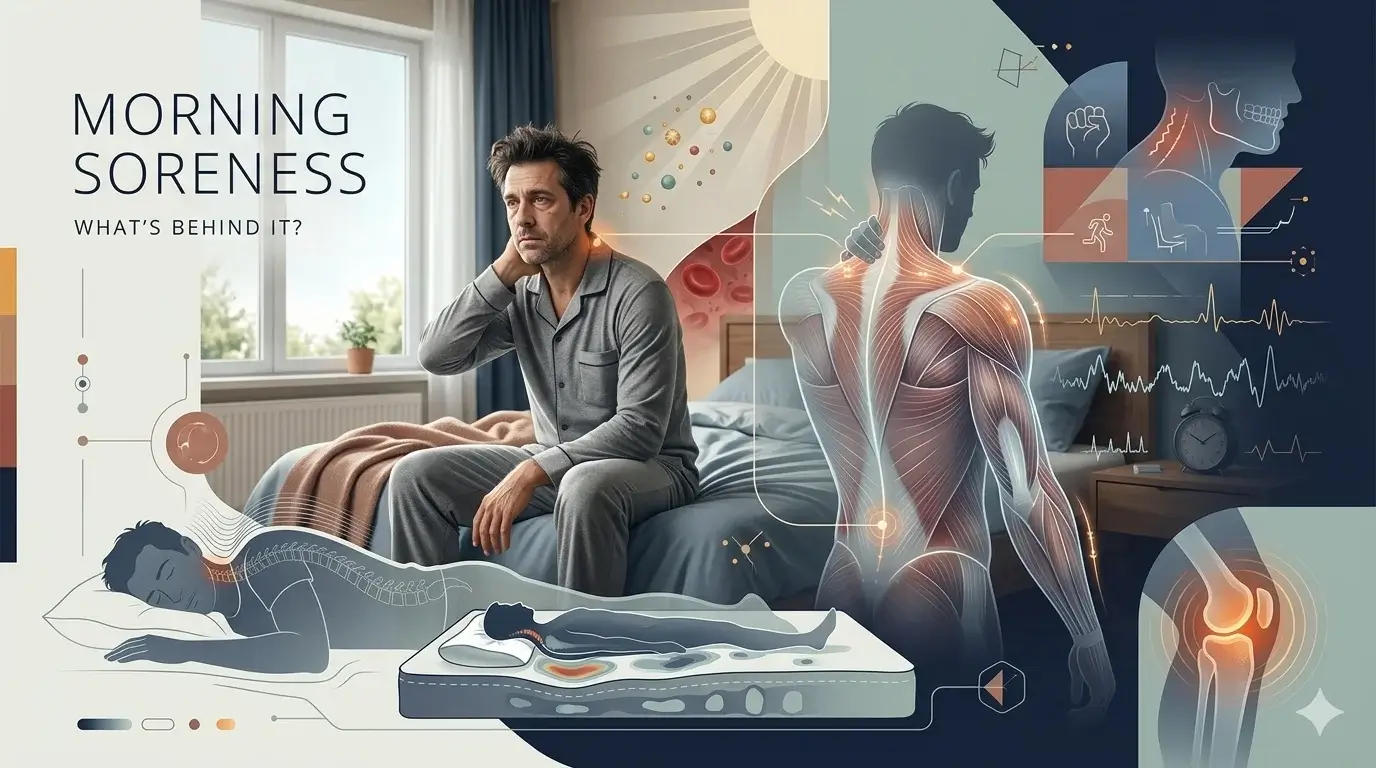
Do you ever wake up and immediately wonder, “Why does my body feel so sore?”
Waking up with an achy back, stiff neck, heavy legs, or general body soreness can be frustrating. Sometimes the reason is as simple as your sleeping position or mattress. But if it happens regularly, there may be more going on.
Your sleep quality, activity level, stress, weight, nutritional status, medications, and certain health conditions can all play a role. Sometimes, more than one factor is responsible.
Here are some possible reasons to consider.
1. Vitamin D Deficiency
Vitamin D helps your body absorb calcium and plays an important role in maintaining healthy bones and muscles.
When vitamin D levels are too low, some people may experience muscle weakness, bone pain, or general aches. Severe vitamin D deficiency can also contribute to problems with bone health.
However, waking up sore does not automatically mean you have a vitamin D deficiency. A blood test is needed to determine your vitamin D status, especially if you have other risk factors or symptoms.
2. Anemia
Anemia occurs when your blood does not have enough healthy red blood cells or hemoglobin to carry oxygen effectively throughout the body.
Depending on the cause and severity, anemia can leave you feeling unusually tired and weak. Some people may also experience dizziness, headaches, shortness of breath, a fast heartbeat, pale skin, or cold hands and feet.
If your morning soreness comes with significant fatigue or weakness, it may be worth talking with a healthcare professional rather than assuming it is simply poor sleep.
3. Carrying Extra Weight
Body weight can influence how much stress is placed on certain joints and areas of the body, particularly the back, hips, knees, and neck.
Extra weight can also be associated with sleep conditions such as obstructive sleep apnea. Poor-quality sleep can leave you feeling exhausted and less refreshed when you wake up.
This is not about blaming your weight for every ache. Body soreness can have many causes, and healthy weight management should be approached as part of overall health rather than punishment.

4. Your Mattress May Be Part of the Problem
Your mattress and pillow can affect how your body is supported while you sleep.
If your mattress is too soft, too firm, worn out, or simply not comfortable for your body, you may wake up with stiffness or pain in your back, shoulders, hips, or neck.
Before assuming there is a medical problem, pay attention to whether your soreness changes when you sleep somewhere else. That simple observation can sometimes give you a useful clue.
5. Your Sleeping Position
The position you stay in for several hours can contribute to morning stiffness.
Sleeping with your neck twisted, your spine poorly supported, or your joints held in an uncomfortable position can put extra strain on muscles and joints.
There is not one perfect sleeping position for everyone. Side sleeping can be comfortable for many people, while others prefer sleeping on their back. What matters is finding a position that supports your body without causing discomfort.
6. You May Not Be Moving Enough During the Day
Long periods of sitting or staying in one position can contribute to stiffness.
If you spend most of your day at a desk or are not physically active, your muscles and joints may feel tighter when you wake up. Regular movement can help maintain mobility and muscle strength.
You do not need an intense workout to get started. Walking, stretching, and taking regular movement breaks during the day can all be useful.
7. Your Sleep Quality May Be Poor
You can spend eight hours in bed and still wake up feeling like you barely rested.
Sleep interruptions, stress, an irregular sleep schedule, or conditions such as sleep apnea can affect how restorative your sleep feels. Poor sleep can also make pain feel more noticeable and leave you feeling physically drained the next morning.
If you regularly wake up with headaches, excessive daytime sleepiness, loud snoring, or episodes of gasping during sleep, talk with a healthcare professional.
8. Stress Can Show Up in Your Body
Stress does not only affect your thoughts and emotions. It can also affect your body.
When you are stressed, you may unconsciously tighten your muscles, clench your jaw, or sleep in a tense position. Over time, this can contribute to soreness, particularly around the neck, shoulders, and back.
If your morning aches seem worse during stressful periods, your sleep and stress levels may be worth looking at alongside other possible causes.
9. Some Health Conditions Can Cause Morning Stiffness
Persistent morning pain or stiffness can sometimes be associated with conditions affecting the muscles, joints, or immune system.
For example, inflammatory arthritis can cause significant morning stiffness, often lasting longer than the brief stiffness many people experience after sleeping in one position.
If your stiffness is persistent, severe, getting worse, or accompanied by swollen or warm joints, unexplained fever, weight changes, weakness, or other unusual symptoms, it is important to get evaluated.
Pay Attention to What Your Body Is Telling You
Waking up sore once in a while does not necessarily mean something is wrong. You may have slept awkwardly, exercised harder than usual, or simply stayed in one position for too long.
But when body aches happen repeatedly, your body is giving you information worth paying attention to.
Look at the bigger picture: your sleep, mattress, sleeping position, movement, stress, nutrition, medications, and any other symptoms you may be experiencing. If the problem continues, a healthcare professional can help identify whether you need an examination or tests to find the cause.
Morning soreness is not something you have to simply accept as “getting older.” Sometimes a small change in your routine helps, and sometimes your body needs a closer look.
Medical Disclaimer
This article is for general health education and is not medical advice. Morning body aches can have many different causes, and symptoms alone cannot diagnose vitamin D deficiency, anemia, sleep disorders, arthritis, or another medical condition. Speak with a qualified healthcare professional if your pain is persistent, severe, worsening, or affecting your daily activities.
References
- National Institutes of Health, Office of Dietary Supplements. Vitamin D Fact Sheet for Health Professionals.
- National Heart, Lung, and Blood Institute. Anemia.
- National Institute of Arthritis and Musculoskeletal and Skin Diseases. Rheumatoid Arthritis.
- National Heart, Lung, and Blood Institute. Sleep Apnea.
- National Institute of Arthritis and Musculoskeletal and Skin Diseases. Back Pain.