
What Causes a Bump on Your Gums and How to Treat It


A bump on your gums can feel scary, especially if it appears suddenly, hurts, bleeds, or contains pus. Some gum bumps are harmless and go away with simple care, but others may signal infection, gum disease, or a dental abscess. Getting the cause checked early can prevent pain, tooth damage, and spreading infection.
WHAT IS A BUMP ON YOUR GUMS?
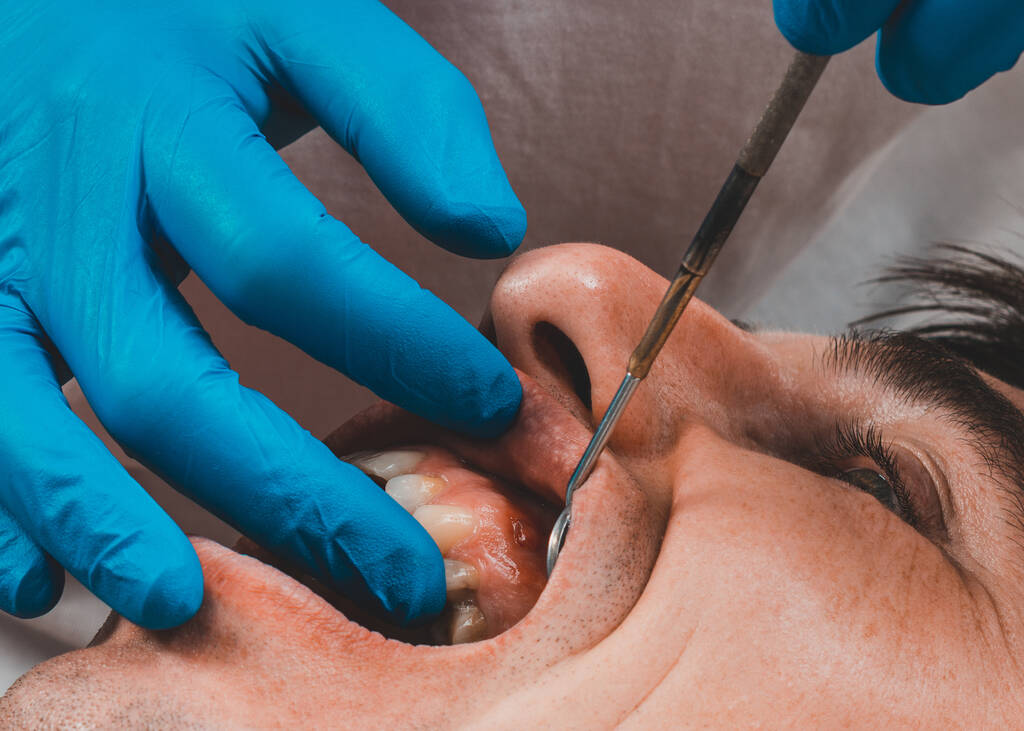
A bump on the gums is any raised area, lump, swelling, blister, sore, or pimple-like spot on the gum tissue. The gums are the soft pink tissue that surrounds and supports the teeth. Gum bumps can also involve nearby tooth roots, jawbone, nerves, and the small spaces between teeth and gums.
A gum bump may look red, white, yellow, pink, or the same color as your gums. It may feel soft, hard, tender, painful, or painless. Some bumps drain fluid or pus. Others bleed when brushing or feel like a firm knot under the gum.
The bump may appear near one tooth, between teeth, on the inside of the mouth, or along the gumline. It may come and go, grow slowly, or become painful quickly.
Types of Bump on the Gums

Gum abscess
A gum abscess is a pocket of pus caused by infection. It may look like a swollen pimple on the gum and can cause throbbing pain, bad taste, swelling, and fever.
Dental abscess
A dental abscess starts inside or around a tooth root. It can create a gum bump when infection drains through the gum. This type often needs urgent dental treatment.
Canker sore
A canker sore is a small painful ulcer inside the mouth. It may look white or yellow in the center with a red border. It is not contagious.
Gum boil
A gum boil is a pimple-like bump that forms when infection drains from a tooth or gum area. It may release pus and leave a bad taste.
Fibroma
A fibroma is a firm, usually painless lump caused by repeated irritation, such as cheek biting, rough dental work, or a denture rubbing the gum.
Mucocele
A mucocele is a mucus-filled cyst that forms when a small salivary gland gets blocked or injured. It is more common on the lips but can appear in the mouth.
Bony growth
A bony growth is a hard lump from extra bone. These growths are often harmless, but a dentist should confirm the cause.
Oral cancer-related lump
A persistent lump, sore, or thickened patch can rarely be linked to oral cancer. Any gum bump that does not heal should be examined.
POSSIBLE CAUSES Bump on Your Gums
Common causes
Poor oral hygiene is a common cause of gum bumps. Plaque is a sticky film of bacteria that builds up on teeth. If plaque stays near the gumline, it can irritate the gums and lead to swelling or infection.
Gum disease can also cause bumps or swelling. Gingivitis is early gum disease that causes red, swollen, bleeding gums. Periodontitis is more serious gum disease that damages the tissue and bone that support the teeth.
Tooth infection is another common cause. A deep cavity, cracked tooth, or failed filling can allow bacteria to reach the tooth nerve. Infection may then spread to the root and gum.
Food trapped under the gum can cause a tender bump. Sharp foods, such as popcorn kernels or chips, can injure the gum and create swelling.
Mouth injury can cause a bump. Accidentally biting the gum, brushing too hard, or irritation from braces, dentures, retainers, or rough teeth may lead to swelling or a sore.
Hormonal changes during pregnancy, puberty, or monthly cycles can make gums more sensitive and swollen. Some people develop gum growths that bleed easily.
Serious causes
A dental abscess is one of the most serious causes. It can spread to the jaw, face, neck, or bloodstream if not treated.
Advanced gum disease can create deep infected pockets around teeth. These pockets may swell, drain, and cause loose teeth.
Oral cancer is uncommon, but it must be considered if a lump, sore, or patch lasts more than two weeks, grows, bleeds, or feels numb.
A spreading facial infection is an emergency. Swelling of the jaw, cheek, neck, or under the tongue can become dangerous, especially if it affects breathing or swallowing.
SYMPTOMS Bump on Your Gums
A mild gum bump may feel small, tender, or irritated. It may appear after eating something sharp or brushing too hard. These bumps often improve when the irritation stops.
An infection-related bump may cause throbbing pain, swelling, pus, bad breath, a foul taste, or pain when chewing. The tooth near the bump may feel sensitive, loose, or painful.
A canker sore may burn or sting, especially when eating spicy, salty, or acidic foods. It usually looks like a shallow sore rather than a firm lump.
A fibroma or bony growth may be painless and slow-growing. It may only bother you when chewing or wearing dentures.
More serious symptoms include fever, spreading swelling, trouble opening the mouth, trouble swallowing, severe pain, numbness, bleeding, or a lump that keeps growing.
DIAGNOSIS
A dentist diagnoses a gum bump by asking when it started, whether it hurts, and whether it bleeds, drains, or changes in size. They may ask about cavities, dental work, gum disease, injuries, dentures, braces, tobacco use, and general health.
During the exam, the dentist checks the gums, teeth, tongue, cheeks, and jaw. They may gently press near the bump to see if fluid drains. They may also check whether nearby teeth are loose, cracked, painful, or sensitive.
Dental X-rays help find hidden causes. An X-ray can show a tooth infection, bone loss, deep decay, a root problem, or a trapped object.
The dentist may measure gum pockets with a small tool called a periodontal probe. This helps check for gum disease.
If the bump looks unusual or does not heal, the dentist may recommend a biopsy. A biopsy means removing a small tissue sample to check it under a microscope.
CARE AND TREATMENT Bump on Your Gums
Home care / self-care
Do not pop, squeeze, or cut a gum bump. This can spread infection and make the problem worse.
Brush gently twice a day and floss daily. Keeping the area clean can reduce bacteria and irritation.
Rinse with warm salt water to soothe sore gums. Do not use harsh rinses that burn or dry the mouth.
Avoid spicy, acidic, crunchy, or hard foods if they irritate the bump.
Use a soft-bristled toothbrush and avoid brushing aggressively.
If a denture, retainer, or sharp tooth is rubbing the gum, stop using the appliance if possible and contact your dentist.
Over-the-counter pain relievers may help mild discomfort, but follow the label and avoid medicines your healthcare provider told you not to take.
Medical treatment
Treatment depends on the cause. If the bump is from trapped food or irritation, the dentist may clean the area and remove the source of injury.
If there is an abscess, the dentist may drain the pus and treat the infection source. Drainage alone is usually not enough if the tooth or gum disease remains untreated.
If the infection comes from inside a tooth, root canal treatment may be needed. A root canal removes infected tissue from inside the tooth and seals the space.
If the tooth cannot be saved, extraction may be needed. Extraction means removing the tooth.
If gum disease is the cause, treatment may include deep cleaning, also called scaling and root planing. This removes plaque and tartar from below the gumline.
If a fibroma or unusual lump keeps getting irritated, a dentist or oral surgeon may remove it.
If oral cancer or another serious condition is suspected, the dentist may refer you to an oral surgeon or ear, nose, and throat specialist.
PREVENTION TIPS
Brush your teeth twice daily with fluoride toothpaste.
Floss once daily to remove plaque between teeth and under the gum edge.
Visit your dentist regularly so cavities, gum disease, and loose fillings can be treated early.
Do not ignore broken teeth, lost fillings, or tooth pain.
Clean dentures, retainers, night guards, and mouthguards every day.
Avoid tobacco and vaping because they irritate gum tissue and raise the risk of oral disease.
WHEN TO SEE A DOCTOR
Seek urgent dental or medical care if you have:
- Severe tooth or gum pain
- Swelling in the face, jaw, cheek, or neck
- Fever with gum swelling
- Pus, bad taste, or bad-smelling drainage
- Trouble swallowing or breathing
- Trouble opening your mouth
- A loose tooth near the bump
- A gum bump that keeps coming back
- A lump, sore, or patch that lasts more than two weeks
- Bleeding that does not stop
- Numbness in the mouth, lips, chin, or face
- Pain that spreads to the ear, jaw, or neck