
Why Is the Roof of My Mouth Yellow and How to Fix It

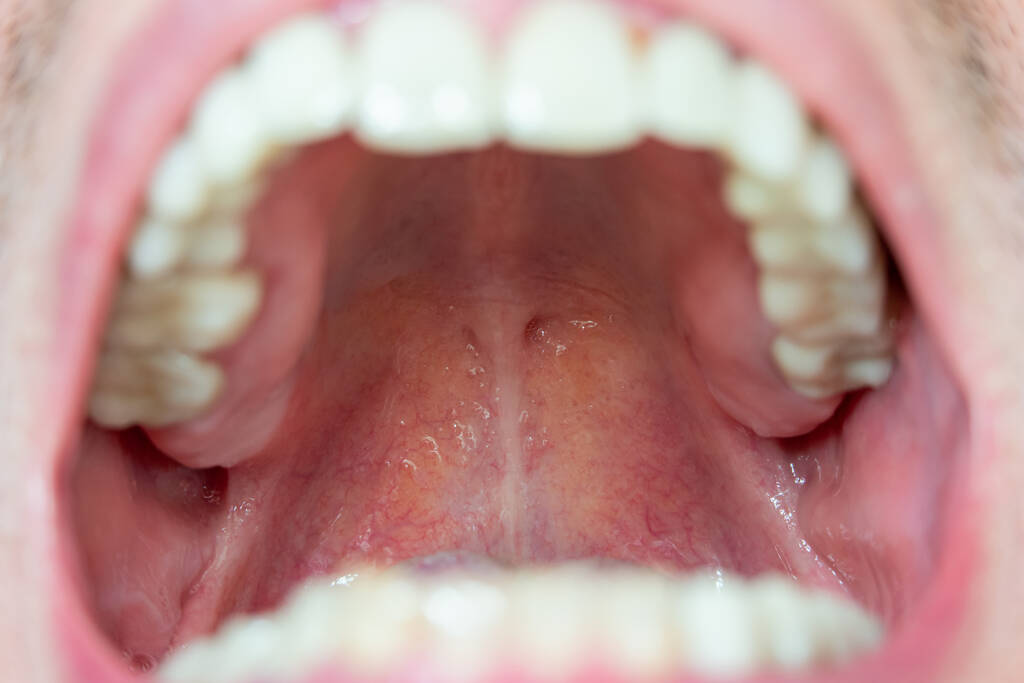
A yellow roof of the mouth can look alarming, especially if it appears suddenly or comes with pain, swelling, or a bad taste. In many cases, it is linked to harmless causes such as food staining, dry mouth, smoking, or mild irritation. Still, yellow patches or discoloration that does not improve should be checked because infections, mouth sores, or other health problems can also cause it.
WHAT IS A YELLOW ROOF OF THE MOUTH
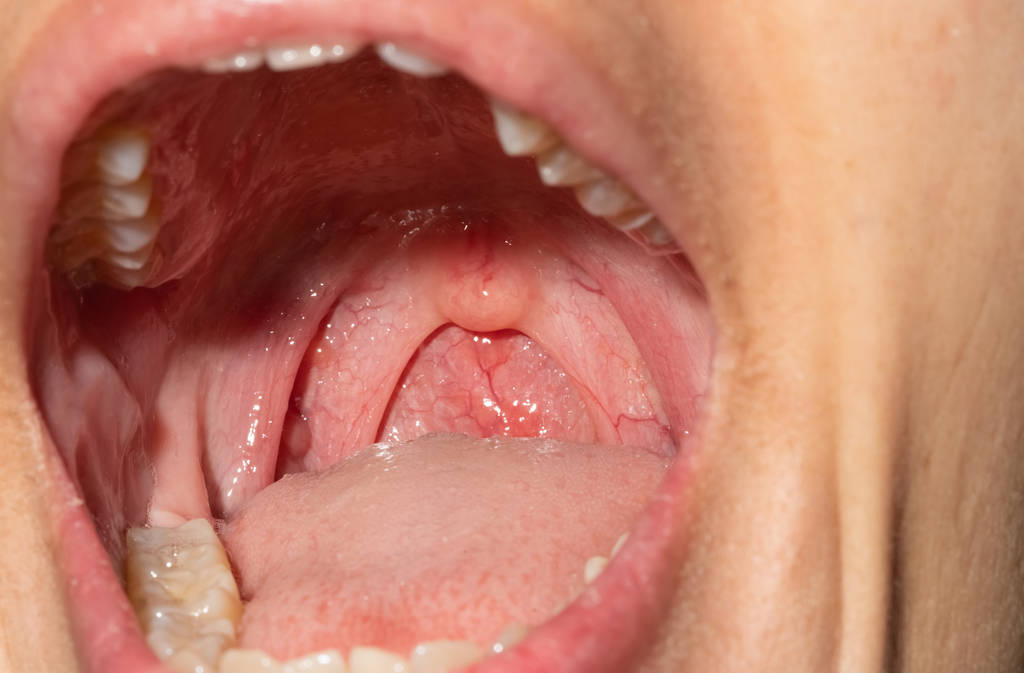
The roof of the mouth is called the palate. The front part is the hard palate, which has bone under it. The back part is the soft palate, which is more flexible and helps with swallowing and speech.
A yellow roof of the mouth means the tissue on the palate looks yellow, yellow-white, or stained. The change may cover a small patch or a larger area. It may look smooth, coated, irritated, bumpy, or sore.
Some people notice a yellow film after drinking coffee, tea, turmeric drinks, or colored foods. Others may feel dryness, burning, a bitter taste, bad breath, or tenderness. If the yellow area can be wiped away, it may be a surface coating. If it does not wipe away or keeps returning, a dentist or healthcare provider should examine it.
Types
Surface staining
Surface staining happens when food, drinks, tobacco, or oral products leave pigment on the palate. It is usually temporary and often improves with brushing, rinsing, and better hydration.
Dry mouth related yellow coating
Dry mouth means the mouth does not make enough saliva or the saliva dries out quickly. Saliva helps clean the mouth. When the mouth is dry, dead cells, bacteria, and food particles can collect and make the palate look yellowish.
Infection-related discoloration
Some infections can cause yellow, white, or creamy patches in the mouth. Oral thrush is a yeast infection that may cause white or yellowish patches, soreness, and a cottony feeling.
Irritation or injury
Hot foods, sharp chips, dental appliances, smoking, vaping, or harsh mouthwash can irritate the palate. Healing tissue may look yellowish or pale before it returns to normal.
Jaundice-related yellowing
Jaundice means yellowing caused by a buildup of bilirubin, a yellow pigment made when the body breaks down red blood cells. It usually affects the eyes and skin first, but the mouth tissues may also look yellow. This needs medical care.
POSSIBLE CAUSES
Common causes
Food and drink stains are common. Coffee, tea, curry, turmeric, colored candies, and some sauces can temporarily stain the roof of the mouth.
Smoking or chewing tobacco can stain oral tissues and irritate the palate. Tobacco may also raise the risk of gum disease and mouth cancer.
Dry mouth can make the palate look yellow or coated. It may happen from dehydration, mouth breathing, snoring, certain medicines, or not drinking enough fluids.
Poor oral hygiene can allow bacteria, food debris, and dead cells to build up. This can cause bad breath, a coated tongue, and yellowish areas in the mouth.
Mouth breathing can dry the palate overnight. People may notice yellow coating, bad breath, or a sticky mouth in the morning.
Irritation from hot foods or drinks can cause a mild burn. As the tissue heals, it may look pale, yellow, or whitish for a short time.
Dental appliances, such as dentures, retainers, or mouthguards, can trap bacteria if they are not cleaned well. They may also rub the palate and cause irritation.
Serious causes
Oral thrush can cause yellow-white patches, redness, soreness, and burning. It may be more likely in people who use inhaled steroids, wear dentures, have dry mouth, have diabetes, or have a weakened immune system.
A bacterial infection or abscess can cause swelling, pain, pus, fever, or a foul taste. An abscess is a pocket of infection that needs prompt care.
Jaundice can signal liver, gallbladder, blood, or bile duct problems. Yellow eyes, yellow skin, dark urine, pale stools, or belly pain are warning signs.
Precancerous or cancerous mouth changes can sometimes appear as persistent patches, ulcers, lumps, or color changes. Any unexplained mouth patch that lasts more than two weeks needs evaluation.
Severe allergic reaction is rare but serious. Swelling of the mouth, lips, tongue, or throat can affect breathing and needs emergency care.
SYMPTOMS TO WATCH FOR
Mild yellow staining may appear without pain and may fade after brushing, rinsing, drinking water, or avoiding staining foods.
Dry mouth-related symptoms may include sticky saliva, bad breath, cracked lips, a coated tongue, trouble swallowing dry foods, or waking up thirsty.
Infection may cause soreness, burning, swelling, bad taste, pus, fever, or patches that return after wiping.
Irritation or burns may cause tenderness, peeling, redness, or a raw feeling. These usually improve within several days if the area is not repeatedly irritated.
More concerning symptoms include a yellow patch that does not go away, a lump, bleeding, numbness, severe pain, trouble swallowing, yellow eyes or skin, or swelling that spreads.
DIAGNOSIS
A dentist or healthcare provider starts by asking when the yellow color appeared, whether it hurts, and whether it changes after brushing or rinsing. They may ask about tobacco use, vaping, diet, new medicines, mouthwash, dental appliances, dry mouth, and recent illness.
They will examine the palate, tongue, gums, throat, and teeth. They may check whether the patch wipes away, whether there is swelling, and whether dental appliances are rubbing the area.
If thrush or infection is suspected, they may take a small swab from the mouth. A swab collects a sample to check for yeast or bacteria.
If jaundice is possible, blood tests may be needed to check liver function and bilirubin levels.
If a patch, sore, or lump does not heal, a dentist or oral specialist may recommend a biopsy. A biopsy means removing a tiny sample of tissue to check it under a microscope.
CARE AND TREATMENT
Home care / self-care
Drink water often, especially if your mouth feels dry or sticky. Hydration helps saliva rinse the mouth naturally.
Brush your teeth twice daily and gently brush your tongue. Clean near the roof of the mouth carefully, but do not scrape hard enough to cause injury.
Rinse your mouth after coffee, tea, curry, turmeric, or strongly colored foods. This may reduce staining.
Avoid smoking, vaping, and chewing tobacco. These irritate the mouth and can worsen discoloration.
Clean dentures, retainers, and mouthguards every day. Remove dentures at night unless your dentist tells you otherwise.
Avoid alcohol-based mouthwash if it burns or dries your mouth. Choose a gentle rinse if your dentist recommends one.
Do not try to scrape off a painful patch. Scraping can damage the tissue and make infection or irritation worse.
Medical treatment
Treatment depends on the cause. If the yellow color comes from staining or dry mouth, better hydration, oral hygiene, and reducing triggers may fix it.
If dry mouth is ongoing, a dentist may recommend saliva substitutes, fluoride products, or changes to habits that worsen dryness.
If oral thrush is diagnosed, a healthcare provider may prescribe antifungal medicine. Antifungal medicine treats yeast overgrowth.
If there is a bacterial infection or abscess, treatment may include drainage, dental treatment, or prescription medicine.
If a dental appliance is rubbing the palate, a dentist can adjust it so the tissue can heal.
If jaundice is suspected, the main treatment focuses on the underlying cause, such as liver, gallbladder, or blood-related problems.
If a patch looks suspicious or does not heal, referral to an oral surgeon, dentist, or ear, nose, and throat specialist may be needed.
PREVENTION TIPS
Brush twice daily and floss once daily to reduce bacteria and buildup.
Drink enough water and address mouth breathing or snoring if your mouth stays dry.
Rinse after strongly colored foods and drinks that may stain the mouth.
Avoid tobacco and vaping because they stain and irritate mouth tissues.
Clean dentures, retainers, and mouthguards every day.
Schedule dental checkups so oral changes can be found early.
WHEN TO SEE A DOCTOR
Seek urgent medical or dental care if you have:
- Yellow eyes or yellow skin
- Dark urine or pale stools
- Severe mouth pain or swelling
- Trouble breathing, swallowing, or opening your mouth
- Swelling of the lips, tongue, throat, or face
- Fever with mouth pain or pus
- A yellow patch that does not improve within two weeks
- A mouth sore, lump, or bleeding area that does not heal
- Numbness in the mouth or face
- Unexplained weight loss with mouth chdanges
- Pain that spreads to the jaw, neck, or ear
Last Words
A yellow roof of the mouth is often caused by staining, dryness, irritation, or poor oral hygiene, but it should not be ignored if it lasts, hurts, or comes with other symptoms. The fastest way to fix it is to identify the cause instead of guessing. A dentist or healthcare provider can check the area, treat infection if present, and make sure nothing serious is being missed.