
How Long Can Pink Eye Live on Fabric?

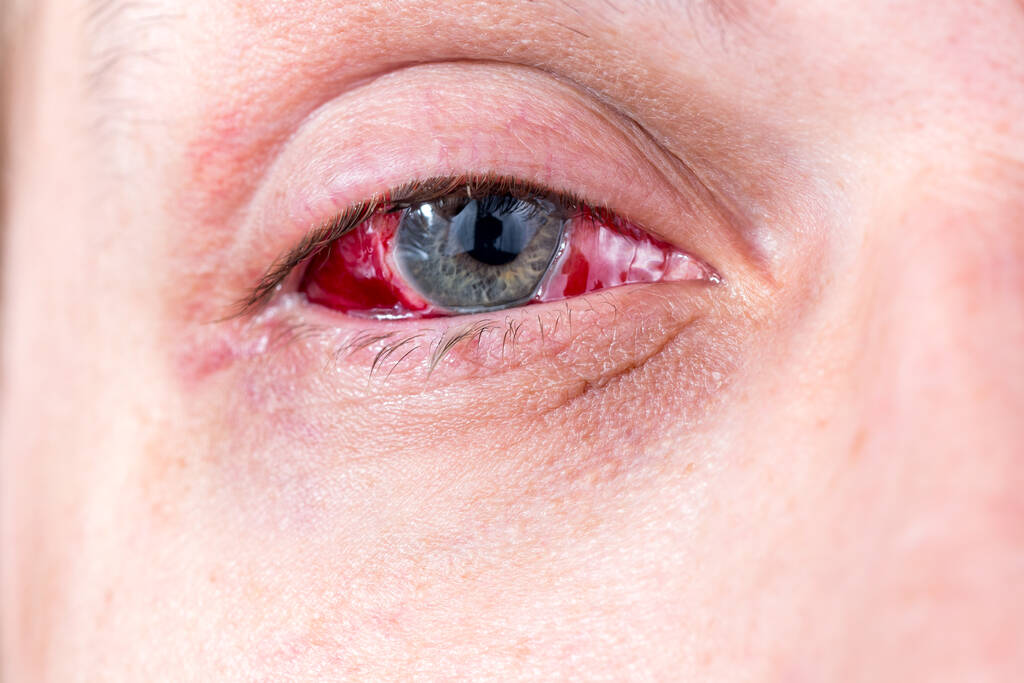
Pink eye can spread easily, and many people worry about towels, pillowcases, clothing, and bedding after an infection. Germs that cause pink eye may survive on fabric for a period of time, but the exact length depends on the germ, the fabric, moisture, temperature, and cleaning habits. Good hygiene and regular washing can greatly lower the risk of spreading it.
WHAT IS PINK EYE ON FABRIC?
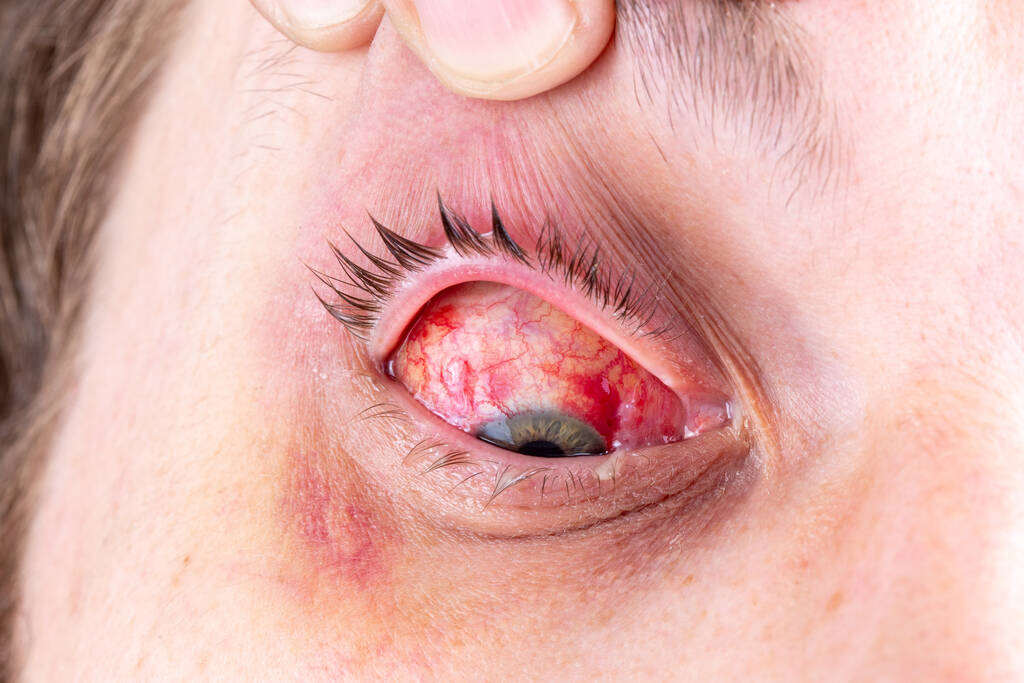
Pink eye, also called conjunctivitis, is inflammation of the conjunctiva. The conjunctiva is the thin, clear tissue that covers the white part of the eye and the inside of the eyelids.
Pink eye can be caused by viruses, bacteria, allergies, or irritation. Viral and bacterial pink eye can spread from person to person. Allergic pink eye does not spread.
When people ask how long pink eye can live on fabric, they usually mean how long the germs that cause infectious pink eye can survive on items like pillowcases, sheets, towels, washcloths, shirts, scarves, eye masks, or makeup cloths.
Fabric can hold germs when it touches eye drainage, tears, mucus, or contaminated hands. If someone touches the fabric and then touches their eyes, the infection may spread. Fabric that stays damp may allow germs to survive longer than dry fabric.
Pink eye on fabric does not look a certain way. The fabric may look clean and still carry germs. If there is visible eye discharge, crust, or mucus on a towel or pillowcase, treat it as contaminated and wash it right away.
Different Types of Pink Eye Live on Fabric
Viral pink eye
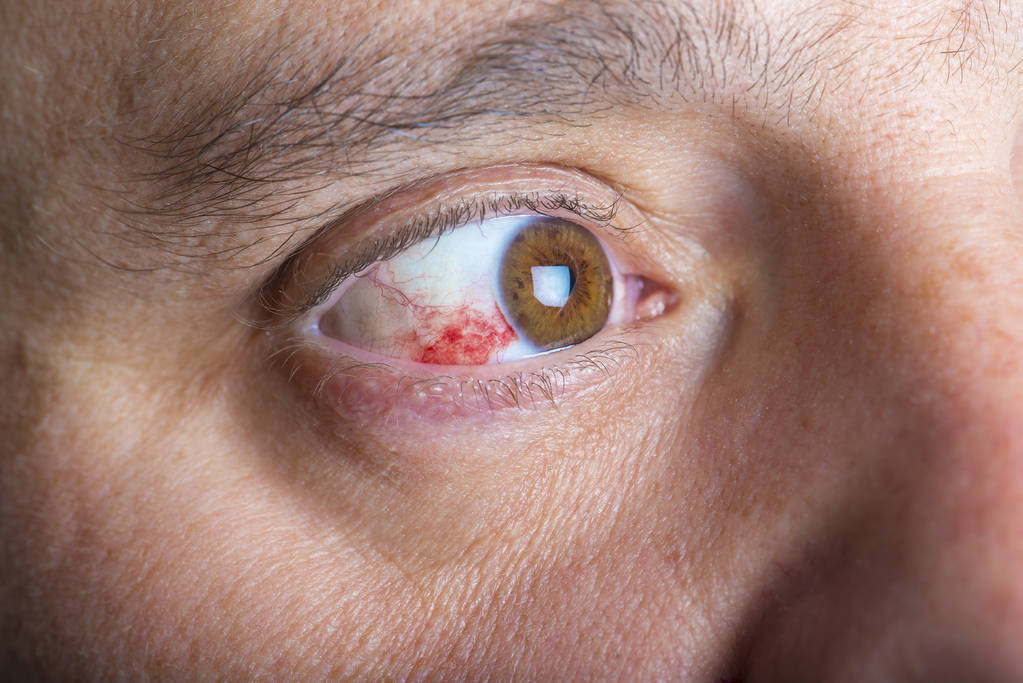
Viral pink eye is commonly linked to cold-like viruses. It often causes watery discharge, redness, burning, and a gritty feeling. Viruses may survive on surfaces, including fabric, from hours to days depending on conditions.
Bacterial pink eye
Bacterial pink eye often causes thicker yellow or green discharge. Eyelids may stick together, especially after sleep. Some bacteria can survive on fabric long enough to spread if towels, bedding, or washcloths are shared.
Allergic pink eye
Allergic pink eye happens when the eyes react to triggers such as pollen, dust, pet dander, or mold. It can cause itching, redness, tearing, and swelling. It does not live on fabric as an infection because it is not caused by contagious germs.
Irritant pink eye
Irritant pink eye can happen after exposure to smoke, chlorine, chemicals, or foreign particles. It is not contagious, but fabric may still hold the irritant if it is not washed.
POSSIBLE CAUSES
Common causes
The most common cause of contagious pink eye spreading through fabric is contact with eye discharge. A pillowcase, towel, or washcloth can pick up germs when it touches an infected eye.
Sharing towels is another common cause. A damp towel can transfer germs from one person’s face or hands to another person’s eyes.
Touching the eyes and then touching clothing, bedding, or blankets can spread germs. Later, someone may touch the same fabric and then rub their eyes.
Poor handwashing raises the risk. Hands often move germs from the face to household items.
Not washing bedding during an active infection can also increase the chance of reinfection or spread to others in the home.
Serious causes
Some eye infections need prompt care because they can become more serious than routine pink eye. These include infections linked to contact lens use, eye injury, or severe bacterial infection.
A corneal infection is one serious concern. The cornea is the clear front window of the eye. If it becomes infected, vision can be at risk.
Newborn eye infections are also serious. Babies with red, swollen, or draining eyes need urgent medical care.
A sexually transmitted infection can sometimes cause severe conjunctivitis. This may involve heavy discharge, swelling, pain, and urgent treatment needs.
SYMPTOMS TO WATCH FOR
Pink eye may cause redness in one or both eyes. The eye may feel itchy, gritty, watery, sore, or irritated.
Viral pink eye often starts in one eye and may spread to the other. It may come with watery drainage, mild burning, and cold symptoms.
Bacterial pink eye may cause thick discharge that dries into crust. The eyelids may stick together after sleep.
Allergic pink eye often affects both eyes and causes intense itching. It may happen with sneezing, runny nose, or seasonal allergies.
Mild pink eye may cause redness and watering without major pain. More concerning symptoms include eye pain, light sensitivity, blurred vision, heavy swelling, or symptoms that worsen instead of improve.
If symptoms return after using the same pillowcase, towel, or eye cloth, contaminated fabric or poor hand hygiene may be part of the problem.
DIAGNOSIS
A healthcare provider usually diagnoses pink eye by asking about symptoms and examining the eyes. They may ask when symptoms started, whether one or both eyes are affected, and whether there is discharge, itching, pain, or vision change.
They may also ask about recent colds, allergies, contact lens use, eye injury, exposure to someone with pink eye, and whether towels or bedding are shared.
Most cases do not need lab testing. If symptoms are severe, unusual, long-lasting, or linked to a newborn or contact lens use, the provider may collect a sample of eye discharge. This can help identify bacteria or another cause.
An eye doctor may examine the cornea with special light and dye if there is pain, light sensitivity, or blurry vision. This helps check for scratches, ulcers, or deeper infection.
CARE AND TREATMENT
Home care / self-care
Wash pillowcases, sheets, towels, washcloths, and face cloths during the infection. Use detergent and the warmest water safe for the fabric. Dry items fully before using them again.
Do not share towels, pillows, eye masks, washcloths, makeup, or contact lens items. Keep the infected person’s laundry separate when possible.
Wash your hands often with soap and water, especially after touching the eyes or face. If soap and water are not available, use hand sanitizer.
Use a clean washcloth each time you wipe the eye. Do not reuse the same cloth without washing it.
Avoid touching or rubbing your eyes. This can spread germs and make irritation worse.
Throw away disposable tissues after use. Do not leave used tissues on beds, couches, or clothing.
For comfort, a cool or warm compress may help. Use a clean cloth each time, and wash it after use.
Medical treatment
Treatment depends on the cause. Viral pink eye usually improves with supportive care, such as lubricating eye drops and hygiene steps.
Bacterial pink eye may need antibiotic eye drops or ointment if a healthcare provider thinks bacteria are the cause. Antibiotics do not treat viral or allergic pink eye.
Allergic pink eye may improve with allergy eye drops, avoiding triggers, and cold compresses.
Contact lens wearers may need special care. A provider may tell them to stop wearing lenses until the eye heals and to replace lenses, cases, or solution if contaminated.
If pain, vision changes, or light sensitivity are present, an eye doctor should check for corneal problems or deeper infection.
PREVENTION TIPS
Wash towels, pillowcases, and washcloths often during pink eye, especially items that touch the face.
Avoid sharing towels, bedding, makeup, eye drops, or contact lens supplies.
Wash hands before and after touching the face, eyes, contact lenses, or laundry.
Use a fresh towel and clean pillowcase while symptoms are active.
Dry laundry completely because damp fabric can hold germs longer.
Replace or clean items that may touch the eyes, such as eye masks, makeup brushes, and contact lens cases.
WHEN TO SEE A DOCTOR
Seek urgent medical care if you have:
- Eye pain that is moderate or severe
- Blurred vision or vision loss
- Sensitivity to light
- Severe swelling around the eye
- Thick discharge that keeps coming back
- Symptoms in a newborn
- Pink eye after an eye injury or chemical exposure
- Symptoms while wearing contact lenses
- Fever with worsening eye redness or swelling
- Symptoms that do not improve or keep returning
- Redness that spreads around the eyelid or face
- Trouble opening the eye