
Cavity Filling Timeline and Recovery: Guide to the Procedure

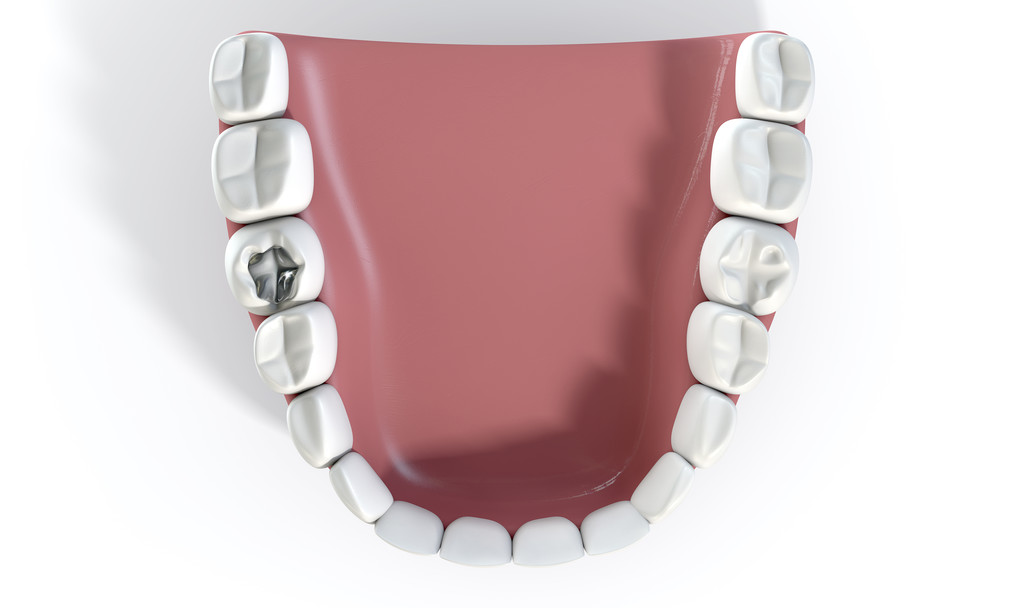
A cavity filling is one of the most common dental treatments used to repair tooth decay and protect the tooth from further damage. Most fillings are quick, safe, and do not require a long recovery. Knowing the timeline can help you feel prepared and understand when normal discomfort may need dental care.
WHAT IS A CAVITY FILLING?
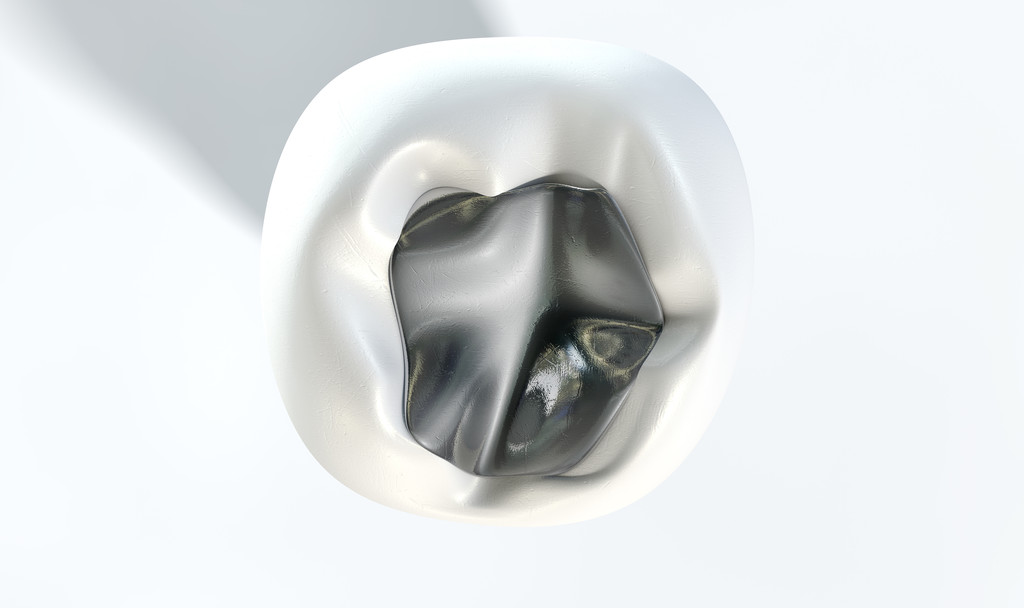
A cavity filling is a dental procedure that repairs a tooth damaged by decay. Tooth decay happens when bacteria in the mouth make acids that wear down the hard outer layer of the tooth, called enamel. If decay continues, it can create a hole in the tooth, called a cavity.
During a filling, the dentist removes the decayed part of the tooth and fills the space with a dental material. This restores the tooth’s shape, helps you chew normally, and prevents the cavity from getting larger.
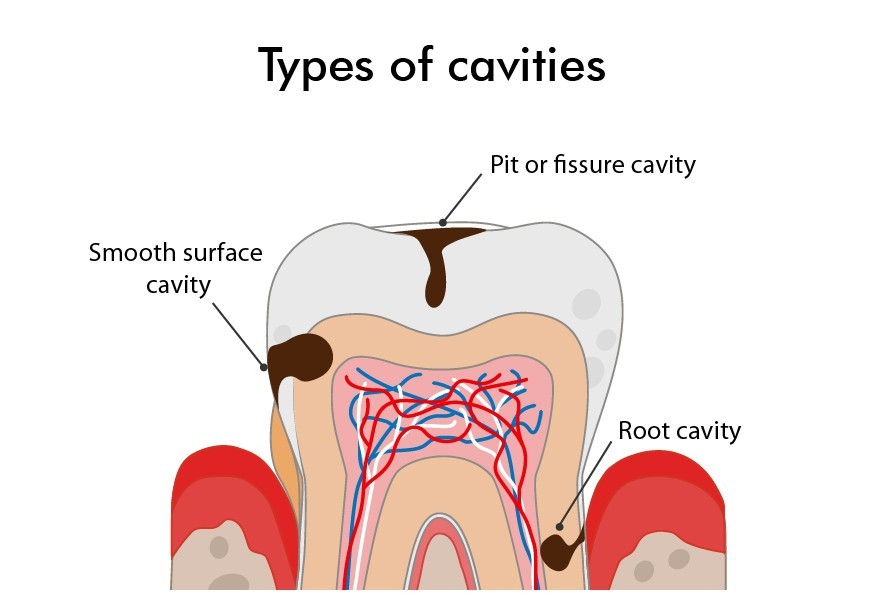
The parts involved include the enamel, the dentin, and sometimes the deeper tooth layers. Dentin is the softer layer under the enamel. If decay gets close to the nerve inside the tooth, the tooth may feel more sensitive before and after treatment.
A cavity may feel like tooth sensitivity, pain when chewing, a rough or broken area, food getting stuck, or a dark spot on the tooth. Some cavities cause no symptoms at first, which is why regular dental checkups matter.
Cavity Types
Composite fillings
Composite fillings are tooth-colored fillings made from resin material. Dentists often use them for front teeth or visible areas because they blend with the natural tooth color.
Amalgam fillings
Amalgam fillings are silver-colored fillings made from a mix of metals. They are strong and can handle chewing pressure, especially in back teeth.
Glass ionomer fillings
Glass ionomer fillings are tooth-colored materials sometimes used near the gumline or in baby teeth. They can release fluoride, which may help protect the tooth from more decay.
Temporary fillings
A temporary filling protects the tooth for a short time. Dentists may use one if the tooth needs more treatment later or if the final filling cannot be placed right away.
Inlay or onlay restorations
An inlay or onlay is a custom-made restoration used when a tooth needs more repair than a regular filling but does not need a full crown. A crown is a cap that covers the whole tooth.
CAVITY FILLING POSSIBLE CAUSES
Common causes
The most common reason for a cavity filling is tooth decay. Decay often starts when plaque builds up on the teeth. Plaque is a sticky film of bacteria that forms after eating and drinking.
Frequent snacking or sipping sugary drinks can raise the risk of cavities. Sugar feeds mouth bacteria, and those bacteria produce acid that weakens enamel.
Poor brushing and flossing can also lead to cavities. When plaque stays on the teeth, it can slowly damage enamel and cause holes.
Dry mouth may increase the risk of cavities. Saliva helps wash away food and acid. When the mouth stays dry, teeth have less natural protection.
Old or damaged fillings can also need replacement. A filling may crack, wear down, leak, or pull away from the tooth over time.
Serious causes
Deep decay can reach the nerve inside the tooth. This may cause severe pain, infection, or an abscess. An abscess is a pocket of pus caused by infection.
A cracked tooth may also need urgent dental care. Cracks can allow bacteria to enter deeper tooth layers and cause pain or infection.
Gum disease can expose tooth roots. Roots do not have the same hard enamel protection as the crown of the tooth, so they can decay more easily.
If decay spreads too far, a simple filling may no longer be enough. The tooth may need a root canal, crown, or extraction.
CAVITY SYMPTOMS
A small cavity may not cause pain. Many people only learn they need a filling during a dental exam or X-ray.
Mild symptoms may include sensitivity to cold, hot, sweet, or acidic foods. You may feel a short, sharp sensation that goes away quickly.
Moderate symptoms can include pain when biting, food trapping between teeth, or a rough spot you can feel with your tongue.
Severe symptoms may include constant toothache, swelling, bad taste, pus, fever, or pain that wakes you at night. These signs can mean the decay has reached the nerve or caused infection.
After a filling, mild soreness or sensitivity is common. The tooth may feel sensitive to temperature or pressure for a few days. If pain gets worse, lasts for weeks, or feels sharp when biting, the filling may need adjustment.
DIAGNOSIS CAVITY FILLING
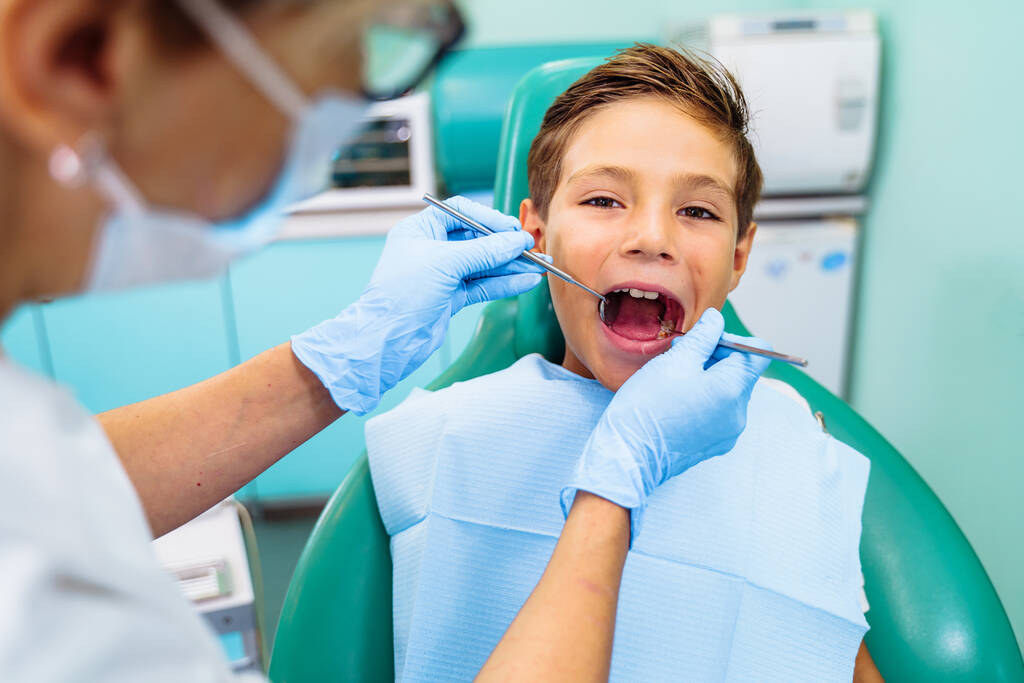
A dentist diagnoses a cavity by asking about your symptoms and checking your teeth. They look for soft spots, stains, cracks, holes, or broken fillings.
The dentist may use a small dental instrument to gently check the tooth surface. They may also test how the tooth responds to cold, air, or biting pressure.
Dental X-rays help find cavities between teeth or under old fillings. X-rays can also show how deep the decay is and whether it is close to the nerve.
If the dentist suspects infection, they may check the gums, look for swelling, and examine the area around the tooth root. In more complex cases, they may refer you to an endodontist, a dentist who treats the inside of teeth.
CARE AND TREATMENT
Home care / self-care
Before your filling appointment, brush and floss as usual unless your dentist gives different instructions. If your tooth hurts, avoid chewing hard foods on that side.
After the filling, wait until numbness wears off before chewing. This helps prevent biting your cheek, tongue, or lip by accident.
Eat soft foods if your tooth feels sore. Avoid very hot, cold, sticky, or hard foods if they trigger sensitivity.
Keep brushing twice a day and flossing daily. Clean around the filled tooth gently but thoroughly.
Mild sensitivity after a filling often improves on its own. Over-the-counter pain relievers may help, but follow the label and avoid any medicine your healthcare provider told you not to use.
Medical treatment
A filling procedure usually starts with numbing medicine. The dentist places the medicine near the tooth so you stay comfortable during treatment.
Next, the dentist removes the decayed part of the tooth. They clean the area and shape the space so the filling material can fit securely.
For a composite filling, the dentist places the material in layers and hardens it with a special light. Then they shape and polish the filling so it feels smooth.
The dentist checks your bite before you leave. If the filling feels too high, it can cause pain when chewing. A quick adjustment usually fixes this.
The normal timeline is simple. The appointment may take less than an hour for a small or moderate filling. Numbness may last a few hours. Mild soreness or sensitivity can last a few days. Deeper fillings may feel sensitive longer because they are closer to the nerve.
If decay is very deep, the dentist may place a temporary filling, recommend a crown, or discuss root canal treatment. A root canal removes infected or inflamed tissue from inside the tooth.
PREVENTION TIPS
Brush your teeth twice daily with fluoride toothpaste. Fluoride is a mineral that helps strengthen enamel.
Floss once daily to remove plaque and food from between teeth.
Limit frequent sugary snacks and drinks, especially sticky candy, soda, and sweetened coffee or tea.
Drink water often, especially after meals and snacks.
Visit your dentist for regular checkups and cleanings so cavities can be found early.
Ask your dentist about sealants if you have deep grooves in your back teeth. Sealants are thin protective coatings that help block food and bacteria.
WHEN TO SEE A DOCTOR
Seek prompt dental care if you have:
- Severe tooth pain or pain that does not improve
- Swelling in the gum, jaw, cheek, or face
- Fever with tooth pain
- Pus, bad taste, or bad-smelling drainage
- Pain when biting after a filling
- A filling that feels too high or uneven
- A filling that cracks, falls out, or feels loose
- Sensitivity that lasts for weeks or gets worse
- Trouble opening your mouth
- A broken tooth or sharp tooth edge
- Tooth pain that wakes you from sleep
CLOSING NOTE
A cavity filling usually has a short recovery, and most people return to normal activities the same day. Mild sensitivity can happen, but worsening pain, swelling, or bite problems are not something to ignore. Your dentist can check the filling, adjust it if needed, and make sure the tooth is healing properly.