
Can Wisdom Teeth Come Back After Being Removed?

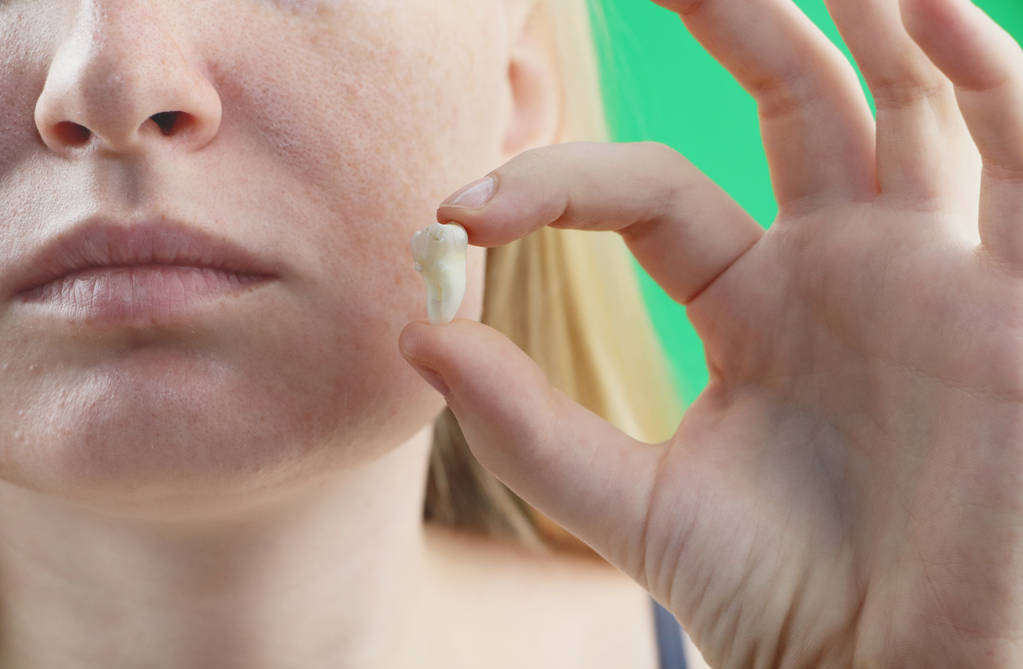
Many people worry when they feel pressure, swelling, or a hard bump after wisdom tooth removal. The good news is that wisdom teeth do not grow back once a dentist or oral surgeon fully removes them. Still, new pain or a tooth-like feeling in the back of the mouth should be checked, because it can have several causes.
WHAT IS WISDOM TEETH GROWING BACK?
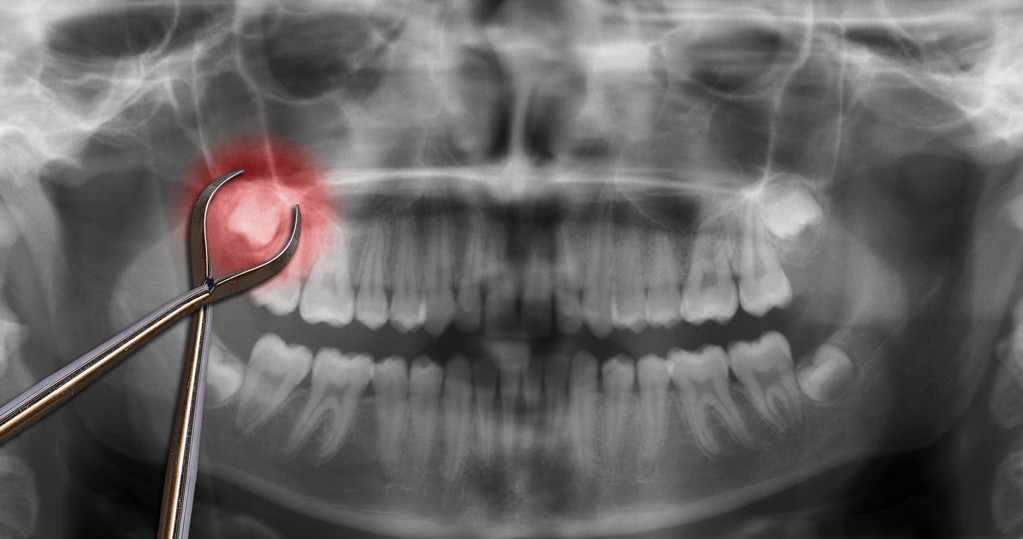
Wisdom teeth are the third molars, which are the last teeth at the very back of the mouth. Most people have up to four wisdom teeth: upper right, upper left, lower right, and lower left. They usually develop in the jaw during the teen years or early adulthood.
When a wisdom tooth is fully removed, the body cannot grow the same tooth again. Adult teeth do not regenerate after extraction. If someone feels like a wisdom tooth has “grown back,” it usually means something else is happening.
The feeling may come from a piece of bone working its way through the gum, a small retained root fragment, a nearby tooth shifting, scar tissue, gum swelling, or, rarely, an extra tooth that was not removed before. It may feel like a sharp edge, a hard lump, pressure behind the molars, jaw soreness, gum tenderness, or pain while chewing.
The main body parts involved are the gums, jawbone, tooth socket, nearby molars, nerves, and soft tissues at the back of the mouth.
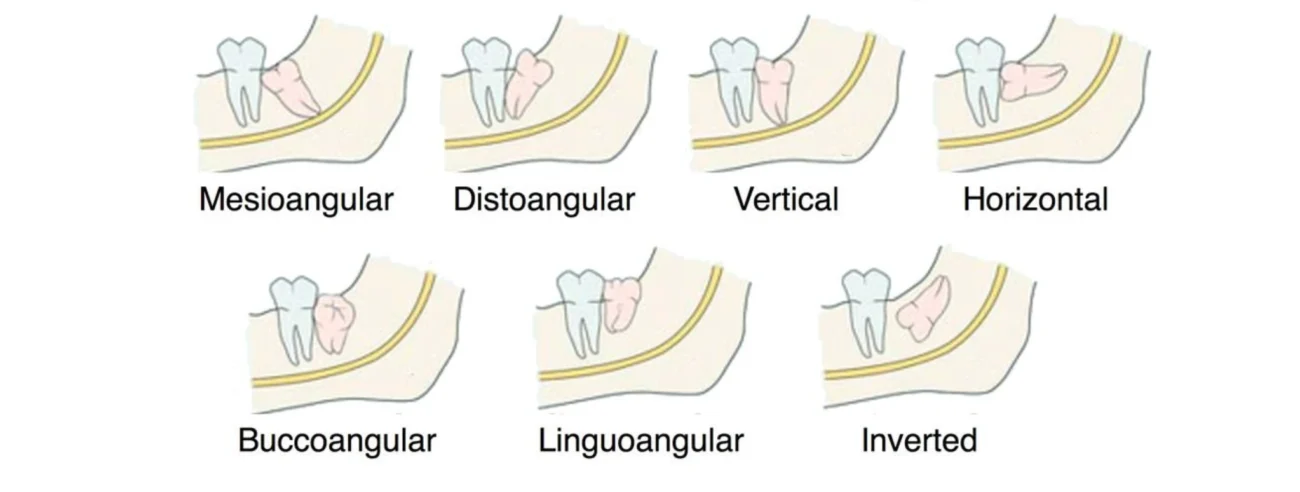
TYPES of WISDOM TEETH
Normal healing changes after removal
After wisdom tooth surgery, the socket fills with blood clot, healing tissue, and later new bone. During healing, the area may feel uneven or firm. Small bone edges can sometimes feel sharp under the gum as the jaw heals.
Retained tooth or root fragment
A retained fragment means a small part of the tooth or root remains in the jaw after extraction. Dentists sometimes leave a tiny piece in place if removing it could harm a nearby nerve. Many small fragments cause no problems, but some may later irritate the gum or become infected.
Bone spicule or bone fragment
A bone spicule is a small piece or sharp edge of bone that becomes exposed through the gum after an extraction. It can feel like a tiny tooth growing back, but it is not a new tooth.
Extra tooth
Some people have an extra tooth, called a supernumerary tooth. This is uncommon, but it can make someone think a wisdom tooth returned. An X-ray can show whether an extra tooth is present.
Nearby dental problem
Pain behind the molars may come from tooth decay, gum disease, an abscess, jaw joint strain, or pressure from another tooth. These problems can mimic wisdom tooth pain.
Wisdom Teeth POSSIBLE CAUSES
Common causes
The most common reason people think a wisdom tooth grew back is normal healing after extraction. The gum and bone change shape as the socket closes. This can create firm spots, ridges, or tenderness.
Food trapped in the healing socket can also cause pressure, bad taste, or soreness. This is more common during the first few weeks after removal, especially if the socket is deep.
A small bone spicule may push through the gum. This can feel sharp, like a tiny tooth tip. It often happens as the jaw remodels after surgery.
Scar tissue can also feel firm or raised. This is usually harmless, though it may feel strange when the tongue rubs over it.
Nearby teeth may shift slightly after the wisdom tooth is removed. This does not mean the wisdom tooth is coming back, but it may change how the bite feels.
Serious causes
Infection is a serious cause of pain, swelling, or drainage after wisdom tooth removal. It may cause worsening pain, fever, pus, bad breath, or swelling that spreads.
Dry socket is another painful problem after extraction. It happens when the protective blood clot in the socket breaks down or comes out too early, exposing bone and nerves. It often causes severe pain a few days after removal.
A dental abscess, which is a pocket of infection, can form near a tooth root or gum. It may cause throbbing pain, swelling, fever, or a bad taste.
Rarely, a cyst or growth in the jaw can cause pressure, swelling, or tooth movement. These need dental imaging and specialist care.
SYMPTOMS WISDOM Teeth
Mild soreness, swelling, and gum tenderness can be normal after wisdom tooth removal. These symptoms should slowly improve as healing continues.
A hard bump, sharp spot, or rough edge may feel alarming, but it may be a small bone fragment or healing ridge. If it causes pain, cuts the tongue or cheek, or does not improve, a dentist should examine it.
Symptoms that need attention include worsening pain, swelling that increases instead of improves, pus, fever, a foul taste, bad breath, trouble opening the mouth, or pain that spreads to the ear, temple, or neck.
Long-term symptoms, such as pressure months or years after extraction, should not be ignored. They may point to a retained fragment, an extra tooth, gum disease, decay in the nearby molar, or a jaw problem.
Children and teens may have wisdom teeth that are still developing. If one “removed” wisdom tooth seems to return, the original tooth may not have been fully developed or fully removed, or another tooth may be involved.
DIAGNOSIS Wisdom Teeth
A dentist or oral surgeon starts by asking about your dental history, when the wisdom teeth were removed, and what symptoms you feel now. They may ask whether the pain is sharp, dull, constant, or triggered by chewing.
They will examine the back of the mouth, gums, bite, jaw movement, and nearby teeth. They may gently check for swelling, exposed bone, drainage, gum pockets, or a sharp fragment.
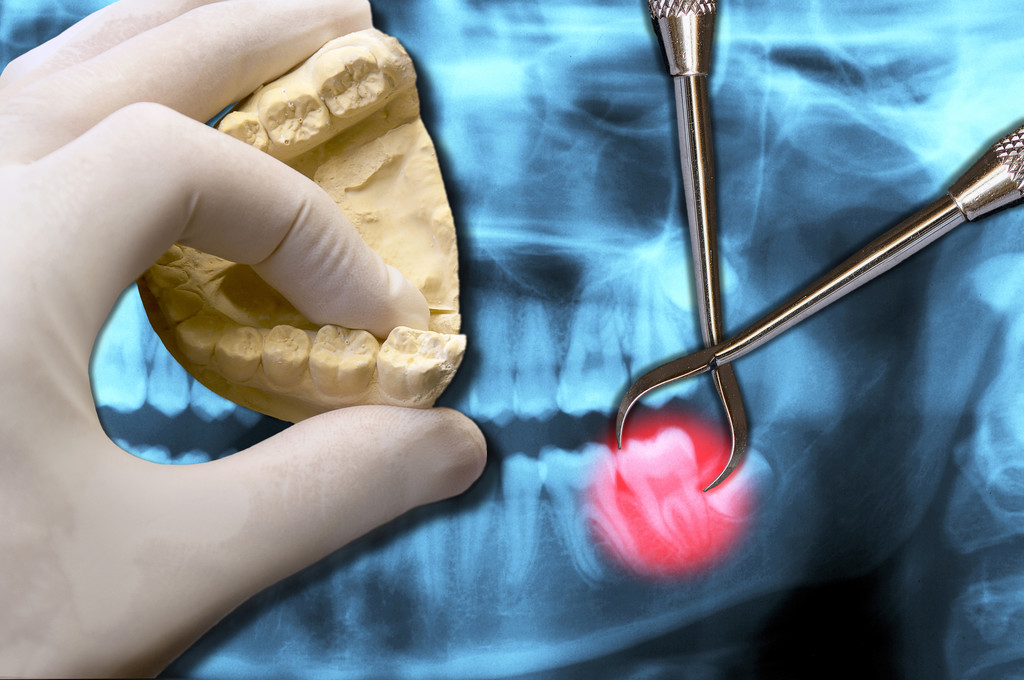
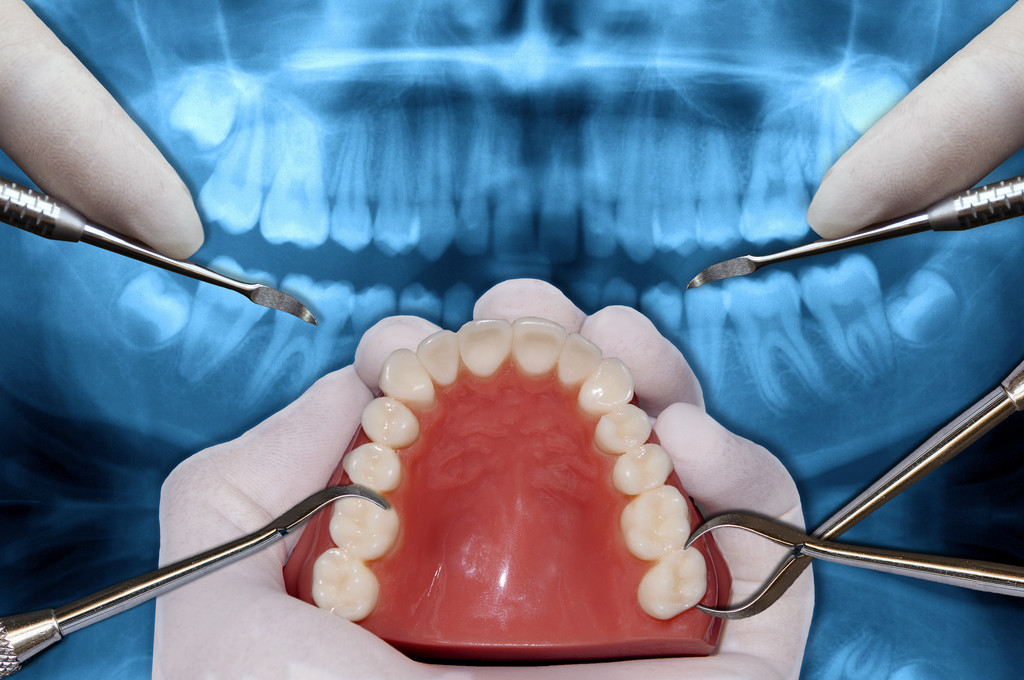
Dental X-rays are the main test used to see what is happening under the gum. A panoramic X-ray can show the full jaw and whether any root fragment, extra tooth, cyst, or bone change is present. In more complex cases, a dentist may order a cone beam CT scan, which is a 3D dental scan that shows bone, teeth, and nerves in more detail.
Lab tests are not usually needed unless there are signs of a spreading infection or another medical concern.
CARE AND TREATMENT
Home care / self-care
Do not poke the area with fingers, toothpicks, or sharp tools. This can irritate the gum or introduce bacteria.
Keep the area clean with gentle brushing. If your dentist has told you to rinse, use the method they recommend. Avoid aggressive swishing soon after extraction because it can disturb healing.
Choose soft foods while the gum is sore. Avoid hard, crunchy, spicy, or sticky foods if they make pain worse.
Over-the-counter pain relievers may help mild discomfort, but follow the package directions and avoid medicines your healthcare provider has told you not to take.
Warm saltwater rinses may soothe irritated gums after the first day of healing, but they should not replace dental care if symptoms are getting worse.
Wisdom Teeth Medical treatment
Treatment depends on the cause. If there is a small bone spicule, the dentist may smooth it, remove it, or allow it to come out naturally if it is not causing major pain.
If a retained root fragment is causing symptoms, an oral surgeon may remove it. If it is close to a nerve and not causing harm, they may monitor it instead.
For infection, treatment may include cleaning the area, drainage if needed, and prescription medicine when appropriate.
For dry socket, a dentist may clean the socket and place a medicated dressing to reduce pain and protect the area while it heals.
If an extra tooth, cyst, or jaw growth is found, the dentist may refer you to an oral and maxillofacial surgeon, a specialist in surgery of the mouth, jaw, and face.
PREVENTION TIPS
Follow your dentist’s aftercare instructions closely after wisdom tooth removal.
Keep the area clean, but brush and rinse gently so you do not disturb healing tissue.
Avoid smoking or vaping during healing because suction and chemicals can slow recovery.
Do not use straws right after extraction unless your dentist says it is safe.
Attend follow-up visits so your dentist can check healing and remove stitches if needed.
Contact your dentist early if pain suddenly worsens instead of waiting for it to become severe.
WHEN TO SEE A DOCTOR
Seek urgent dental or medical care if you have:
- Severe pain that gets worse after the first few days
- Swelling that spreads to the jaw, cheek, eye area, or neck
- Fever, chills, or feeling very unwell
- Pus, foul taste, or bad-smelling drainage
- Trouble swallowing or breathing
- Trouble opening your mouth
- Bleeding that does not slow with pressure
- Numbness that is new, worsening, or lasting longer than expected
- A hard lump, sharp spot, or “new tooth” feeling that does not improve
- Pain months or years after wisdom tooth removal
Summary
Wisdom teeth do not truly grow back after complete removal, but several healing changes and dental problems can feel like they do. If something feels sharp, swollen, infected, or painful, do not ignore it. A dentist can usually find the cause with an exam and X-ray, then recommend the safest treatment.